Table Of Contents:
- How Can You Create a Budget-Friendly Landscaping Plan?
- What Are the Easiest and Most Affordable DIY Landscaping Projects?
- Why Should You Choose Native Plants for Affordable Garden Design?
- How Can Hardscaping Enhance Your Yard Without Breaking the Bank?
- What Are the Top Cheap Landscaping Tips to Maximize Your Budget?
- How Do You Maintain Your Affordable Landscape for Long-Term Savings?
- Where Can You Find Local Resources and Support for Budget Landscaping?
- Table: Cost Comparison of Common Landscaping Materials
- How Do You Maintain Your Affordable Landscape for Long-Term Savings?
- Frequently Asked Questions
- Final Thoughts
Creating a beautiful, inviting landscape does not require a major financial investment. With a carefully planned budget-friendly landscaping plan, homeowners can transform their yard into an attractive outdoor retreat while keeping costs manageable. Budget-friendly landscaping is more than just saving money—it is about intelligently selecting design ideas, using affordable materials, and implementing smart, effective DIY projects that provide long-term value. In today’s economic climate, many homeowners are seeking ways to maximize their outdoor space’s aesthetics without overspending. This article explores a series of practical, cost-effective landscaping ideas that cover everything from design tools to material selection, DIY projects, native plant choices, affordable hardscaping, expert tips, and maintenance strategies.
The purpose of this article is to provide a detailed guide for creating a budget-friendly landscaping plan that meets aesthetic and functional needs while keeping expenses low. Homeowners will learn to harness the power of DIY design tools, choose cost-effective materials, and implement affordable projects that enhance equity and enjoyment of outdoor spaces. Not only does this guide provide an array of actionable ideas, but it also offers valuable insights and resources for every step of the process. With an emphasis on proven strategies such as efficient water conservation, selection of native plants, and phased project implementation, the information provided here is designed to empower homeowners and garden enthusiasts to take control of their landscape design without breaking the bank.
Throughout this guide, readers will discover creative ways to build patios, reduce maintenance, and use low-cost materials like mulch, gravel, and concrete to achieve a polished finish. By delving into specialized topics such as xeriscaping, affordable native garden design, and budget-oriented hardscaping elements, the article equips readers with both the knowledge and practical steps needed for successful landscaping. Whether you are a beginner or have some experience in garden design, this guide offers a comprehensive, actionable roadmap to create a stunning yet affordable yard makeover. Let’s explore how you can develop a cost-conscious landscaping plan that transforms your outdoor space into a personal oasis.
How to Create a Budget-Friendly Landscaping Plan
Creating a beautiful outdoor space doesn’t have to break the bank. With thoughtful planning, smart material choices, and a little hands-on effort, you can design a cost-effective landscape that enhances curb appeal and functionality. At BrightWater Irrigation & Lighting, we believe every homeowner deserves a landscape that fits both their vision and their budget. Here’s how to get started:
1. Start with a Clear Vision and Yard Assessment
Begin by walking your property and taking note of what you already have—healthy trees, natural slopes, or water features are valuable assets that can be preserved. Next, define your goals. Do you want more shade? A sitting area? Drought-resistant plants?
From there, prioritize the areas that need immediate attention and create a list of upgrades. Focus on projects that deliver the most visible impact first—like updating lighting or reshaping flower beds—while saving more expensive undertakings, such as major hardscaping or irrigation installations, for later phases.
2. Use DIY Design Tools to Visualize and Plan
Save on design costs by using free or low-cost online landscaping tools that let you sketch layouts and estimate material needs. These platforms help you explore different ideas and see how various features will look in your space—before making any big purchases.
Planning in phases allows you to tackle projects over time, spreading costs across multiple seasons. This staged approach ensures you stay within budget while still moving steadily toward your landscaping goals.
3. Choose Cost-Effective, Local Materials
Cut costs without compromising style by selecting affordable alternatives. For example:
-
Use concrete pavers instead of expensive natural stone
-
Consider gravel or mulch for pathways and borders
-
Explore reclaimed or recycled materials for a rustic, eco-friendly look
Buying from local suppliers in the Winter Garden or Clermont area not only supports the community but may also reduce transportation costs and delivery fees.
4. Do-It-Yourself Where It Makes Sense
Labor can be one of the biggest expenses in landscaping. Take on manageable DIY tasks such as:
-
Spreading mulch or gravel
-
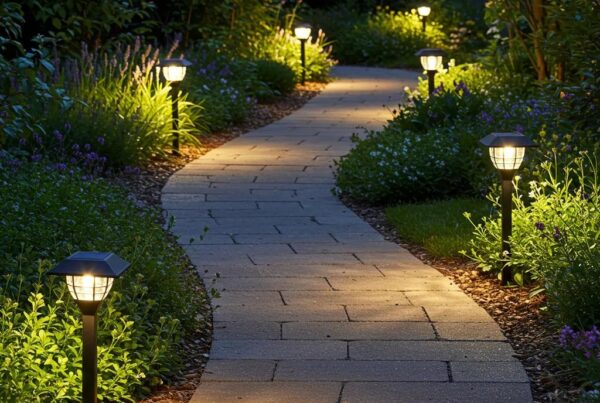
Installing low-voltage landscape lighting
-
Building raised garden beds or small patios
-
Setting up drip irrigation systems
At BrightWater, we also offer custom irrigation installations if you’re ready to upgrade your water system but want to handle the prep work yourself.
5. Stay Flexible and Adapt Over Time
Even the best landscaping plans evolve. As you complete each phase, evaluate the results and adjust your priorities based on how you use the space and what your budget allows.
Prepare for unexpected costs by building a small buffer into your budget and documenting your progress along the way. This ensures your outdoor space continues to improve while staying financially manageable.
Ready to Maximize Your Curb Appeal Without Overspending?
At BrightWater Irrigation & Lighting, we specialize in smart, scalable landscaping solutions that fit your budget and your lifestyle. Whether you need expert lighting design, irrigation upgrades, or a phased landscaping plan—we’re here to help you bring your vision to life, one step at a time.
📍 Proudly serving Winter Garden, Clermont, Orlando, and surrounding Central Florida communities.
👉 Contact us today for a free consultation and let’s create an outdoor space you’ll love—without going over budget.
What Are the Easiest and Most Affordable DIY Landscaping Projects?
Affordable DIY landscaping projects can transform your outdoor space dramatically without a large investment. These projects emphasize simple yet impactful changes such as creating a patio, choosing effective mulch options, and designing a low-maintenance garden. By undertaking manageable projects, homeowners can improve both the aesthetic appeal and functionality of their yard. DIY projects provide immediate satisfaction and a sense of accomplishment, while also adding value to the property.
How Can You Build a DIY Patio on a Budget?
Creating a DIY patio is one of the most popular and cost-effective projects in landscaping. The primary goal is to establish a durable, attractive outdoor living space where family and friends can relax. Homeowners often use affordable materials like concrete pavers, reclaimed brick, or gravel to lay out the patio. Using these cost-effective materials, combined with a straightforward design, can result in a stylish, functional patio that fits within a limited budget.
Building a DIY patio starts with careful planning and site preparation. You must first clear the area, ensure that the ground is level, and consider proper drainage to avoid water pooling. Once the base is prepared, affordable pavers or gravel can be installed, ensuring that they are set in a compacted layer of sand or crushed stone for stability. Additionally, using interlocking designs or mosaic patterns can add a touch of uniqueness without increasing cost. There is a wealth of online tutorials that provide step-by-step instructions for constructing a patio, making it an excellent project for homeowners with basic DIY skills.
Eco-friendly and affordable options include using recycled materials or concrete remnants. Many local suppliers offer reclaimed materials at reduced prices. Moreover, a DIY patio project offers flexibility in design; you can incorporate seating areas, built-in planters, or even a fire pit, using low-cost, creative solutions. By carefully measuring the area and calculating material needs ahead of time, homeowners can avoid waste and stay within budget. Ultimately, the result is a personalized, attractive patio that enhances outdoor living without the need for professional labor.
What Are Cheap Mulch Options and Their Benefits?
Mulch is a versatile and affordable material that not only improves the appearance of your yard but also provides several practical benefits. Cheap mulch options include shredded leaves, wood chips, and recycled bark. These natural materials are often available at low prices from local tree services or municipal composting centers. Mulch plays a critical role in water retention, weed suppression, and temperature regulation in the garden. It reduces the frequency of watering, saves on chemical weed killers, and provides a polished, finished look to garden beds.
Cheap mulch options are not only beneficial for the health of your plants but also have long-term cost savings. The organic matter in mulch decomposes over time, improving soil structure, fertility, and moisture-retention capacity. In addition, mulch acts as a protective barrier for plant roots during temperature fluctuations. It can also enhance aesthetic appeal, making garden beds appear tidy and professionally landscaped. Homeowners can experiment with different mulch types to see which one works best in their local climate and for their specific plant varieties, making it a flexible and affordable solution for improving garden health.
How Do You Create a Low-Maintenance Garden That Saves Money?
A low-maintenance garden is designed to thrive with minimal effort and reduced water and labor inputs. This approach to landscaping prioritizes hardy, drought-tolerant plants, efficient irrigation systems, and minimal weeding. Creating such a garden begins with careful plant selection and thoughtful design. By choosing plants that are adapted to the local climate, known as native plants, homeowners can reduce the need for extensive watering, fertilizers, and pesticides. Native plants are naturally resistant to many local pests and diseases and are typically more affordable because they require less care.
In addition to plant choices, design elements such as mulch layers and ground cover not only improve the appearance of the garden but also suppress weeds and maintain soil moisture. Installing an automated or drip irrigation system can further reduce manual watering efforts while ensuring that plants receive a consistent, efficient water supply. DIY garden projects like creating raised beds or installing rock gardens can also contribute to a low-maintenance design. These projects are cost-effective because they utilize readily available materials and reduce dependence on chemicals and excessive labor.
A low-maintenance garden saving money over time is built with a strategic plan that includes seasonal adjustments and regular, but minimal, upkeep. Embracing sustainable practices, such as composting organic waste to enrich the soil, can lead to long-term savings and healthier plants. Homeowners who prioritize a simplified design with resilient plant varieties and smart irrigation will enjoy reduced maintenance costs and an outdoor space that remains beautiful regardless of the season.
Why Should You Choose Native Plants for Affordable Garden Design?
Choosing native plants is a cornerstone of affordable garden design because these species are well adapted to the local climate and soil conditions. Native plants naturally require less water, fewer fertilizers, and minimal pest control compared to exotic or non-native varieties. This dramatically reduces both the ongoing maintenance costs and the environmental impact of the garden. In addition, native plants often provide superior ecosystem benefits, such as supporting local wildlife and pollinators.
What Are the Best Native Plants for Your Local Climate?
The selection of native plants must take into account the local environment and seasonal changes. For Central Florida, popular native species include coontie, sabal palm, and various types of ground covers that thrive in warm climates. These plants are known for their resilience, low water requirements, and attractive form. Integrating a diverse mix of native trees, shrubs, perennials, and grasses can create a sustainable and visually engaging landscape. For instance, using a combination of colorful wildflowers with robust ground covers not only enhances curb appeal but also contributes to soil health and reduces soil erosion.
Native plants are often low-budget because they are well-suited to naturally occurring soil nutrients and rainfall patterns in the area. They require little to no supplemental irrigation once established, making them ideal partners for water-wise landscaping. Gardening centers specializing in native species often provide expert advice on plant selection and maintenance, ensuring that homeowners have the right mix to achieve a vibrant, cost-effective garden. By selecting plants that naturally flourish in the local conditions, homeowners can drastically cut resource expenses and create a garden that looks lush and appealing year-round.
How Does Water-Wise Landscaping Reduce Costs and Conserve Water?
Water-wise landscaping, also known as xeriscaping, emphasizes plant choices and design techniques that minimize water usage. By employing strategies such as grouping plants with similar watering needs and utilizing efficient drip irrigation systems, homeowners can reduce their water bills significantly. This approach not only conserves a valuable resource but also yields a more resilient landscape that can tolerate periods of drought. The careful selection of drought-tolerant native species further contributes to reduced maintenance costs and a cleaner, greener environment.
The key to water-wise landscaping is the thoughtful planning of plant zones and the use of mulches to retain soil moisture. Mulch acts as a barrier that minimizes evaporation from the soil surface, while also suppressing weeds that compete with desirable plants for water. Additionally, techniques like rainwater harvesting and the installation of smart irrigation controllers ensure that water is utilized efficiently during dry months. Homeowners who adopt water-wise principles will not only save money but also contribute to environmental conservation efforts, creating a sustainable model for garden design.
What Is Xeriscaping and How Can It Transform Your Yard Affordably?
Xeriscaping is a landscaping method that utilizes drought-resistant plants and water-saving irrigation techniques to reduce water consumption without sacrificing beauty. This method emphasizes low-water-use gardening alternatives, which not only lower utility bills but also reduce maintenance time and costs. The transformation achieved through xeriscaping is notable: by replacing water-intensive lawns with a variety of native, drought-tolerant plants, homeowners can turn their yards into vibrant, sustainable landscapes.
The process of xeriscaping begins with an assessment of the yard’s microclimate, followed by the careful selection of plants that can thrive with minimal water. Techniques such as soil amendment, mulching, and the grouping of plants by water needs are essential to implementing a successful xeriscape design. The result is a garden that remains lush and vibrant even in the face of water restrictions. Additionally, xeriscaped yards often require fewer inputs of fertilizers, pesticides, and labor, making them both an environmentally friendly and budget-conscious choice. Homeowners can achieve a stunning yard transformation that is both aesthetically pleasing and cost-effective by fully embracing the principles of xeriscaping.
How Can Hardscaping Enhance Your Yard Without Breaking the Bank?
Hardscaping refers to the use of non-living elements in landscape design such as patios, walkways, retaining walls, and fire pits. Hardscape features not only add structure and definition to a yard but also enhance its usability and aesthetic appeal. Incorporating hardscaping into your landscaping plan is a way to introduce durable, low-maintenance components that can be built cost-effectively. With smart planning and the selection of affordable materials, hardscaping projects can elevate the overall look of your outdoor space without incurring high costs.
One of the key advantages of hardscaping is that it creates distinct zones within the yard, separating play areas, relaxation spaces, and garden beds. This subdivision improves functionality and creates a structured environment that is easier to maintain. Affordable hardscaping projects often involve the use of budget-friendly materials such as concrete, brick, or reclaimed stone. These materials can be repurposed or sourced at a lower cost from local suppliers, further reducing expenses. Additionally, homeowners can undertake many hardscaping projects as DIY ventures, saving on labor costs while also achieving a personalized design.
What Are Affordable DIY Walkway Ideas for Your Yard?
DIY walkways are a practical way to add style and functionality to your yard. Affordable options include using crushed gravel, pavers, or even decomposed granite. The process begins with careful site preparation, ensuring that the pathway is level and properly graded to handle water drainage. Once prepared, low-cost materials like gravel or inexpensive paver stones can be installed to create a defined path that enhances accessibility and complements the overall landscaping design. Homeowners who select a simple, linear design for the walkway can often complete the project with minimal supervision and a modest budget, thereby creating a durable and visually appealing path that is both functional and cost-effective.
A simple yet effective design involves outlining the walkway with edging materials such as reclaimed wood or inexpensive metal borders to keep the installation neat and tidy. In addition, using locally sourced materials not only lowers costs but also ensures that the pathway reflects a regional aesthetic. Homeowners can also incorporate stepping stones among the gravel for added charm. DIY walkway projects offer the flexibility to experiment with different textures and patterns, making the final result truly unique while remaining financially prudent.
How Do You Build a Retaining Wall on a Budget?
A retaining wall serves several purposes: it provides structural support for sloping terrain, defines garden beds, and adds an element of visual interest. Building a retaining wall on a budget involves the use of cost-effective materials such as concrete blocks, natural stone remnants, or recycled materials. The process starts with careful excavation and proper foundation preparation to ensure stability. When done as a DIY project, a retaining wall can be constructed using pre-cast blocks that are easy to assemble and require minimal professional assistance.
Budget-conscious homeowners might consider alternatives such as using reclaimed bricks or locally quarried stone. These materials often come at a lower cost than brand new supplies. Using a simple, modular design also helps to reduce both material and labor costs, while still achieving an attractive and durable structure. Detailed planning, including the measurement of load-bearing requirements and the incorporation of drainage solutions, ensures that the wall is both functional and safe. With careful budgeting and a willingness to invest personal labor, constructing an affordable retaining wall can significantly enhance your yard’s structure and aesthetic appeal.
What Are Cost-Effective Fire Pit Designs for Outdoor Living?
A fire pit is an inviting addition to any outdoor living space, providing both warmth and a focal point for social gatherings. Cost-effective fire pit designs often rely on inexpensive materials such as concrete, pavers, or even repurposed metal drums. The design typically involves a circular layout that can be easily assembled as a DIY project. For example, a basic fire pit can be built using a ring of concrete blocks arranged in a circular pattern, with a layer of gravel or sand as the base to ensure stability and proper drainage.
Using reclaimed or recycled materials can further reduce costs while adding character to the design. Many homeowners find that combining DIY efforts with low-cost materials not only creates a functional fire pit but also serves as a unique design element that stimulates conversation. By considering safety factors such as proper clearance from combustible materials and adequate ventilation, a budget-friendly fire pit can enhance the outdoor living experience without straining the overall landscaping budget. This approach results in an attractive, durable, and cost-effective feature that adds both functionality and aesthetic value to the yard.
What Are the Top Cheap Landscaping Tips to Maximize Your Budget?
Maximizing your landscaping budget requires ingenuity and careful planning. Several affordable landscaping tips can simultaneously improve aesthetics and reduce maintenance expenses. Techniques such as mulching, phased landscape projects, and the use of low-cost materials like gravel are key to stretching every dollar. Emphasis on practices like proper soil preparation, efficient watering systems, and the incorporation of sustainable materials ensures that initial investments continue to yield benefits for years to come.
How Does Mulching Help Control Weeds and Save Money?
Mulching is widely recognized as one of the simplest, most effective ways to improve garden aesthetics while reducing maintenance costs. By applying a generous layer of mulch over soil, homeowners can significantly reduce weed growth, which in turn reduces the time and money spent on weeding and herbicide treatment. Mulch naturally suppresses weed seeds by blocking sunlight, while also retaining moisture in the soil and stabilizing soil temperature. This helps plants thrive with less supplemental water and labor, ultimately saving money.
In addition to weed control, mulch breaks down over time to enrich the soil with organic matter, creating a healthier growing environment for plants. Affordable mulch options include shredded leaves, bark chips, and recycled wood products, which can be sourced locally or even produced on-site from fallen branches. The long-term benefits of mulching extend to improved soil structure and reduced erosion, further emphasizing its role in maximizing a landscaping budget. Homeowners who invest in mulching reap both aesthetic and economic rewards as their gardens become more robust and self-sustaining.
How Can Phased Landscaping Projects Spread Out Costs?
Phased landscaping projects involve breaking a larger yard makeover into smaller, manageable segments. This approach allows homeowners to tackle improvements gradually, reducing the financial strain of completing an entire project all at once. By prioritizing the most impactful areas first—such as high-traffic zones or major design focal points—and postponing less visible changes, homeowners can spread the overall cost over time.
Implementing landscaping projects in phases allows for adjustments based on seasonal needs, cash flow, or evolving design preferences. It also provides time to research and source more affordable materials and labor as market conditions change. Moreover, phased projects enable the integration of DIY efforts into later stages, further reducing costs. With careful planning and budgeting, a phased approach ensures that every dollar is utilized effectively, resulting in a cohesive and scalable design that doesn’t overwhelm financial resources. This strategy is highly recommended for those seeking long-term improvement without large upfront investments.
What Are the Benefits of Using Gravel and Other Low-Cost Materials?
Gravel, along with other low-cost materials such as decomposed granite, recycled concrete, and reclaimed wood, serves as a practical and budget-friendly option for multiple landscaping elements. These materials are particularly beneficial when used for walkways, driveways, and garden beds. Gravel is durable, requires minimal maintenance, and can significantly enhance drainage and weed suppression. Its versatility and availability make it ideal for creating borders, pathways, and even decorative features in the landscape.
The aesthetic appeal of gravel lies in its natural texture and range of color options, which can complement any garden design. Additionally, these materials often come at a lower cost when sourced locally or purchased in bulk. Homeowners who use gravel and similar materials find that they save money not only on initial expenses but also on long-term upkeep costs. The multifunctional benefits include improved drainage, reduced soil erosion, and a neat, finished look that enhances the overall character of the yard.
How Do You Maintain Your Affordable Landscape for Long-Term Savings?
Maintaining an affordable landscape over the long term involves implementing practices that conserve resources and reduce labor. Regular maintenance tasks such as pruning, weeding, and seasonal clean-ups are essential to ensure that the garden remains vibrant and cost-efficient. By employing low-cost water conservation techniques and planning periodic updates to the landscaping plan, homeowners can prolong the life of their outdoor investment while minimizing ongoing expenses.
What Are Low-Cost Water Conservation Practices for Your Yard?
Low-cost water conservation practices are critical for minimizing water usage and lowering utility bills. One of the simplest methods is the installation of drip irrigation systems that deliver water directly to plant roots, reducing evaporation and runoff. In addition, capturing rainwater using barrels or cisterns provides an eco-friendly and economical water source. These practices conserve water and help plants receive a steady, efficient water supply, which is particularly important in regions with limited rainfall.
Other techniques include using mulch to retain soil moisture, grouping plants with similar water needs, and selecting drought-tolerant species. These measures not only reduce water consumption but also promote healthier plant growth and extend the lifespan of landscaping features. Homeowners who adopt water-wise strategies benefit from long-term savings on water bills and contribute to sustainable environmental practices. By integrating these practices into your overall landscaping plan, you can achieve a thriving garden with reduced operational costs.
How Often Should You Update Your Landscaping Plan on a Budget?
Periodic updates to a landscaping plan are essential to keep the garden looking fresh and to accommodate evolving needs. Homeowners should review their landscaping plan every few years, checking for plant health, drainage issues, and design deficiencies. Small updates, such as replacing outdated plants or refreshing mulch, can be done annually to steadily improve the yard without incurring significant drafts. More extensive updates, like installing new hardscaping features or reconfiguring garden beds, may be phased over several years as budget permits.
Regular assessments help homeowners identify areas where cost savings can be applied while ensuring that the overall design remains coherent and functional. Scheduling annual maintenance reviews provides an opportunity to incorporate seasonal changes, new plantings, and water conservation improvements. By approaching the update process incrementally, you avoid large, disruptive projects and can spread costs out over time. A proactive maintenance schedule not only preserves the aesthetics of your landscaped yard but also maximizes your long-term investment with minimal financial strain.
Where Can You Find Local Resources and Support for Budget Landscaping?
Local resources and community support play a pivotal role in executing budget landscaping projects successfully. Garden centers, nurseries, and local cooperative extensions offer a wealth of expertise, affordable materials, and sometimes even workshops or classes that cater specifically to budget-conscious homeowners. By tapping into these local networks, you can benefit from personalized advice on plant selection, design trends, and cost-saving strategies that are tailored to your specific region.
How Do Local Nurseries and Garden Centers Help With Affordable Plant Selection?
Local nurseries and garden centers are treasure troves of affordable, native, and drought-resistant plants that are perfectly suited for your landscape. These establishments offer expert advice and personalized recommendations based on your specific climate and garden conditions. Many local nurseries even offer seasonal discounts or loyalty programs that can help you save money on bulk purchases. Additionally, these centers are often intimately familiar with the regional growing conditions and can provide insights into which varieties are most resilient—and thus require less maintenance and lower inputs—over time.
By frequenting local garden centers, homeowners can build relationships with knowledgeable staff who often share tips on DIY landscaping projects, such as container gardening or pruning techniques, that further reduce costs while maintaining a vibrant garden. The support provided by local experts ensures that your investment in affordable landscaping is maximized through careful plant selection and maintenance practices.
What Are the Advantages of Consulting Local Landscaping Experts?
Consulting local landscaping experts, including professional designers and landscape architects, can be a valuable investment for creating a sustainable and attractive garden on a budget. These professionals bring a wealth of experience and knowledge of local materials, climate challenges, and cost-effective design strategies. Even if you plan to execute most of the work yourself, a one-time consultation can help refine your design, prevent costly mistakes, and ensure that every dollar you spend is optimized toward long-term success.
Local experts often have established relationships with regional suppliers and contractors, enabling them to secure discounts, source high-quality reclaimed materials, and recommend innovative DIY solutions that reduce overall expenses. Moreover, their insights into efficient project management and phased implementation of complex designs ensure that both the aesthetic and functional goals of your landscape are met within your budget constraints. Engaging with professionals promotes a collaborative approach that enhances the final result while providing peace of mind about the viability and sustainability of your garden design.
How Can You Use Community Workshops and DIY Classes to Save Money?
Community workshops and DIY classes are excellent ways to learn essential landscaping techniques and gain hands-on experience with budget-friendly methods. Local community centers, garden clubs, and extension services frequently offer workshops that cover topics such as composting, water conservation, and basic hardscaping. These classes not only provide practical skills but also foster connections with like-minded homeowners who share cost-saving ideas and strategies.
Participating in a workshop can reduce the need to hire professionals for basic projects and encourages the use of sustainable, low-cost methods throughout the yard. These community classes often cover the latest trends in eco-friendly landscaping, offering insider tips on how to repurpose materials and maximize natural resources without increasing expenditures. In this way, community engagement becomes both a learning opportunity and a money-saving resource that supports your overall objective of maintaining an affordable and attractive outdoor space.
Cost Comparison of Common Landscaping Materials
Before diving into a table that compares various landscaping materials, it is important to understand how different options can impact your budget. The table below summarizes common materials used for landscaping projects, their average cost ranges per square foot, primary benefits, and suitability for DIY projects.
| Material | Average Cost Range (per sq. ft.) | Primary Benefits | Suitability for DIY Projects |
|---|---|---|---|
| Concrete Pavers | $3 – $7 | Durable, versatile, low maintenance, customizable | High |
| Reclaimed Brick | $2 – $6 | Eco-friendly, unique texture | Moderate |
| Gravel | $1 – $3 | Excellent drainage, weed suppression, affordable | High |
| Wood Mulch | $0.50 – $2 | Enhances soil fertility, natural look, moisture retention | High |
| Shredded Leaves | $0.25 – $1 | Organic, improves soil structure, very cost-effective | High |
| Recycled Stone | $2 – $5 | Sustainable, decorative, low water retention | Moderate |
| Decomposed Granite | $2 – $4 | Aesthetic appeal, natural look, good for pathways | High |
This table illustrates that careful material selection can directly influence the overall cost of your landscaping project. Homeowners can tailor their choices to their specific budget and design goals by opting for materials that offer the best balance of durability, aesthetic value, and affordability.
Analyzing the table, it becomes clear that materials like concrete pavers, gravel, and wood mulch offer excellent cost benefits while remaining highly feasible for DIY projects. These options facilitate a stunning yet budget-conscious transformation of outdoor spaces. Additionally, the incorporation of reclaimed or recycled materials can further lower expenses, making it easier to maintain an attractive yard without overspending.
How Do You Maintain Your Affordable Landscape for Long-Term Savings?
Long-term landscape maintenance is the final, crucial component of a successful budget-friendly yard. Consistent upkeep, smart water conservation, and scheduled updates are all essential to preserving the aesthetic appeal and functionality of your outdoor space. Employing low-cost maintenance practices and regular reviews of your landscaping plan ensures that improvements not only endure but continue to enhance over time. The goal is to create a self-sustaining garden that requires minimal intervention while remaining vibrant and attractive.
Routine care such as seasonal mulching, pruning, and fertilization can often be undertaken by homeowners with minimal outside assistance. By investing time in preventive maintenance, you reduce the likelihood of costly repairs and renovations in the future. Implementing a maintenance schedule that aligns with seasonal trends also enhances plant health, ensuring that water and nutrient uptake remain optimal throughout the year.
Another key aspect of maintaining an affordable landscape is the implementation of water conservation practices. Strategies such as installing a drip irrigation system, using mulch to retain soil moisture, and choosing drought-resistant plants all contribute to reduced maintenance costs. Additionally, periodic planning sessions, where you assess the overall design and make small incremental changes, help to spread out expenses. These updates can include simple tasks like replacing outdated plants or refreshing garden beds with new mulch. Such actions, performed consistently over time, ensure the longevity and cost-efficiency of your landscape.
A proactive approach to maintenance not only saves money but also enhances the curb appeal and overall value of your property in the long run. By meticulously planning and implementing cost-effective maintenance routines, homeowners can enjoy a beautiful and resilient yard that is budget-friendly and sustainable.
Frequently Asked Questions
Q: How can I start planning a budget-friendly landscaping project? A: Begin by assessing your yard, defining your design goals, and using free DIY design tools to visualize your project. Prioritize improvements based on impact and cost, and research affordable materials to ensure you stay within budget. Phasing the project can also help spread costs over time for a more manageable approach.
Q: What are some effective DIY projects for an affordable landscape makeover? A: Effective DIY projects include building a patio using concrete pavers, installing a gravel walkway, constructing a low-cost retaining wall, and creating a fire pit with reclaimed materials. Adding mulch and designing a low-maintenance garden using native plants further contributes to a budget-friendly makeover.
Q: Why should I choose native plants for my garden? A: Native plants are adapted to your local climate, meaning they require less water, fertilizer, and pest control. This reduces maintenance costs and water usage while promoting a healthy ecosystem in your garden. Native plants also support local wildlife and pollinators, enhancing the overall sustainability of your landscape.
Q: How do mulch and gravel help reduce landscaping costs? A: Mulch suppresses weeds, retains soil moisture, and enriches the soil as it decomposes, reducing the need for frequent watering and labor-intensive weeding. Gravel improves drainage, minimizes weed growth, and provides an attractive, low-maintenance ground cover—all of which lead to long-term cost savings and a neatly finished look.
Q: What maintenance practices ensure long-term savings for a budget landscape? A: Key maintenance practices include regular pruning, mulching, and seasonal clean-ups; installing efficient irrigation systems; water conservation through drip irrigation and rainwater harvesting; and periodically updating the yard design. These practices lower ongoing costs while keeping your garden healthy and vibrant.
Q: Can community workshops really help save money on landscaping? A: Yes, community workshops and DIY classes offer hands-on training and expert advice on sustainable landscaping practices. They provide cost-saving techniques and tips that reduce reliance on paid professionals. These opportunities also foster a supportive community where you can share resources and ideas, further enhancing your project’s affordability.
Final Thoughts
The transformation of your outdoor space into a budget-friendly oasis is achievable with careful planning, smart material choices, and innovative DIY projects. Each aspect of the landscaping plan—from creating affordable hardscape elements to incorporating native plants and practical water conservation techniques—plays a crucial role in reducing costs while enhancing beauty. This comprehensive guide provides actionable ideas and resources for homeowners who seek to balance style and affordability effectively. By implementing these strategies, you can enjoy a stunning, sustainable landscape that adds value to your home for years to come.