Brightwater System Design That Transforms Your Landscape with Sustainable and Innovative Solutions
An expertly engineered landscape can halve your water usage, boost property value, and create a striking outdoor environment that endures. Brightwater system design for landscapes tackles excessive irrigation, poor lighting, and maintenance burdens by uniting sustainable planting, smart irrigation controls, and energy-efficient illumination into a cohesive solution. Readers will discover the core principles, sustainability practices, advanced irrigation technologies, outdoor lighting strategies, residential transformation steps, common challenges addressed, and how to begin this landscape revolution. Each section provides actionable insights and technical guidance to transform ordinary lawns into resilient, show-stopping spaces with minimal upkeep and maximum environmental benefit.
What Is Brightwater System Design and How Does It Transform Your Landscape?
Brightwater system design is a comprehensive landscape architecture approach that integrates sustainable planting schemes, automated irrigation, and innovative outdoor lighting to enhance aesthetics, conserve resources, and reduce maintenance requirements. By orchestrating plant selection, water delivery, and illumination into a single strategy, it ensures each component reinforces the others—native shrubs reduce water needs, smart controllers optimize irrigation schedules, and LED fixtures highlight focal features without high energy costs. This synergy produces lush, vibrant outdoor spaces that thrive through local climate cycles and minimize environmental impact. At its core, this methodology elevates landscape functionality and visual appeal by using data-driven irrigation algorithms and low-voltage lighting networks, delivering measurable savings in water usage and energy consumption. Property owners experience immediate improvements in curb appeal and long-term reductions in utility bills, while maintenance demands shrink thanks to drought-tolerant plants and centralized system monitoring. These benefits create compelling value propositions for residential and commercial settings alike, setting Brightwater designs apart from conventional layouts and piecemeal upgrades.
What Are the Core Principles of Brightwater Landscape Design?
Brightwater landscape design revolves around three guiding principles: ecological harmony, technological integration, and aesthetic continuity. Ecological harmony means selecting native and drought-tolerant species that adapt to local soils and rainfall patterns, thereby reducing supplemental water needs. Technological integration involves deploying smart irrigation controllers, moisture sensors, and low-voltage lighting systems that adjust in real time to weather conditions and occupancy patterns. Aesthetic continuity ensures that planting, hardscaping, and illumination align with the property’s architectural style and functional requirements.
Emphasizing these principles delivers resilient plant communities that flourish with minimal intervention, automated water management that prevents waste, and layered lighting schemes that accentuate textures and forms after dusk. By following this framework, designers can craft outdoor environments that respond to seasonal shifts, support biodiversity, and provide inviting living areas for social gatherings or quiet relaxation.
How Does Brightwater System Design Integrate Sustainability in Landscaping?
Brightwater system design integrates sustainability by combining water-wise planting, resource-efficient materials, and regenerative practices to reduce ecological footprints. Native plant palettes and xeriscaping techniques dramatically cut irrigation demands, while rainwater harvesting systems capture roof runoff for reuse in dry seasons. Permeable paving allows groundwater recharge, and recycled or locally sourced materials for pathways and retaining walls minimize transportation emissions.
Incorporating these elements creates closed-loop resource cycles: rainwater stored in sub-surface reservoirs irrigates planting beds, and organic mulch returns nutrients to the soil. This regenerative approach not only conserves water but also strengthens soil structure, promotes beneficial microbe populations, and supports pollinators. As a result, landscapes require fewer chemical inputs and achieve year-round vigor—a testament to the transformative power of sustainable design.
What Are the Key Components of a Brightwater System?
A Brightwater system unites three primary components—irrigation, lighting, and materials—into an integrated ecosystem that delivers performance and beauty. Below is a comparative table illustrating these elements:
Each component functions independently yet contributes to a unified system that conserves resources, simplifies maintenance, and accentuates landscape features. This holistic framework sets the stage for deeper exploration of sustainable design strategies.
How Does Sustainable Landscape Design Enhance Your Outdoor Space?
Sustainable landscape design transforms outdoor areas by balancing ecological performance, user functionality, and visual appeal. It begins with a deliberate selection of water-wise planting, followed by resource-efficient infrastructure—such as stormwater collection and solar-powered elements—that reduce operational costs and environmental impact. At the same time, well-planned hardscape zones create durable social areas, while layered planting adds textural interest and seasonal variation. The result is a landscape that strengthens biodiversity, enhances user enjoyment, and provides tangible savings in water and energy expenses.
By embedding these practices, homeowners and property managers gain year-round access to lush gardens, entertaining patios, and secure walkways without compromising local ecosystems. Understanding the underlying methods reveals how each sustainable approach contributes to healthier, more resilient spaces that retain value over decades.
What Is Sustainable Landscape Design and Why Is It Important?
Sustainable landscape design is the practice of creating outdoor environments that minimize ecological disruption, optimize resource use, and support long-term health of plant and animal communities. It is important because traditional landscaping often depletes precious water reserves, relies heavily on fossil-fuel-intensive inputs, and degrades soil structure through compaction and erosion. Sustainable designs counteract these issues by conserving water through drought-adapted species, reducing chemical dependencies, and enhancing on-site biodiversity.
Implementing such designs yields multiple benefits: reduced utility costs, improved property aesthetics, stronger resilience to climate extremes, and enhanced habitat value. As cities and regions face increasing water stress and regulatory incentives for conservation, sustainable landscaping has become a strategic investment that aligns ecological stewardship with financial and social returns.
How Do Xeriscaping and Rainwater Harvesting Conserve Water?
Xeriscaping conserves water by replacing high-maintenance turf with drought-tolerant shrubs, grasses, and groundcovers that thrive on natural precipitation. In parallel, rainwater harvesting systems capture roof and hardscape runoff into cisterns or underground tanks for later irrigation use. Combining these techniques can reduce irrigation demand by 40–70 percent compared to conventional turf lawns.
Key elements of xeriscaping include soil amendment for moisture retention, strategic plant grouping by water needs, and mulch application to minimize evaporation. Rainwater harvesting designs employ first-flush diverters to exclude roof contaminants, filtration for debris, and automated valve controls to integrate captured water seamlessly into irrigation schedules. Together, these practices ensure that every drop of rainfall contributes to landscape health before supplemental sources are tapped.
Which Native Plants Promote Biodiversity in Brightwater Designs?
Native plants adapted to local climates foster biodiversity by providing food, shelter, and reproduction sites for pollinators, birds, and beneficial insects. Examples include:
- Purple Coneflower (Echinacea purpurea): Attracts butterflies and bees, tolerates drought.
- Switchgrass (Panicum virgatum): Offers structural interest and supports grassland birds.
- Black-eyed Susan (Rudbeckia hirta): Provides extended bloom season for pollinators.
Selecting regionally appropriate perennials, shrubs, and groundcovers strengthens ecological networks, enhances soil health, and reduces water requirements. By incorporating a diverse palette, Brightwater designs deliver vibrant, ever-changing displays that also support local wildlife communities and reinforce ecosystem services.
What Eco-Friendly Materials Are Used in Sustainable Landscaping?
Eco-friendly landscaping materials include permeable pavers that allow stormwater infiltration, recycled or reclaimed wood for benches and retaining walls, and natural stone sourced from local quarries to reduce transport emissions.
Bamboo decking, certified sustainable lumber, and non-toxic sealants complete the palette.
What Are the Benefits and Features of Advanced Landscape Irrigation Systems?

Advanced landscape irrigation systems offer precise water delivery, automated scheduling, and remote monitoring capabilities that dramatically improve efficiency and plant health. By measuring soil moisture and weather forecasts, smart controllers adjust zone runtimes to prevent overwatering and reduce runoff. Drip systems deliver water directly to roots, while rotor and spray heads incorporate pressure regulation for uniform distribution. Collectively, these features ensure each plant receives the right volume at the right time, fostering vigorous growth and conserving up to half the water used by conventional timers.
Beyond conservation, these systems lower maintenance costs by self-diagnosing leaks and notifying property managers of malfunctions. Integration with mobile apps provides real-time oversight and scheduling flexibility, making advanced irrigation a cornerstone of any resilient outdoor environment.
How Do Smart Irrigation Technologies Optimize Water Usage?
Smart irrigation technologies optimize water usage by leveraging weather station data, evapotranspiration (ET) estimates, and soil moisture readings to dynamically adapt irrigation schedules. Controllers automatically shorten or skip watering cycles during rainfall events and extend runtimes when heatwaves stress vegetation. Integration with smartphone apps and web dashboards allows managers to override schedules based on real-time site observations.
This closed-loop feedback mechanism prevents both under- and overwatering, improving plant health while lowering consumption. Studies indicate that properties using smart irrigation can achieve 30–60 percent reductions in water bills, all while maintaining greener, healthier landscapes.
What Are the Differences Between Drip Irrigation and Sprinkler Systems?
Drip irrigation and sprinkler systems differ primarily in application method and efficiency. Drip systems emit water directly at the root zone through tubing and emitters, minimizing evaporation and off-target spray. Sprinkler systems distribute water over broad areas using spray heads or rotors, which can lose volume to wind drift and evaporation.
Comparison highlights:
Drip setups excel for planting beds, shrub rows, and container gardens, while sprinklers remain suitable for lawns and large open turf expanses. Selecting the right approach depends on plant type, site topography, and design goals.
How Is Irrigation System Installation and Maintenance Performed?
Irrigation installation begins with a site analysis to determine soil type, slope, and water pressure. A detailed plan maps out zones, pipe routing, and head placement for optimal coverage. Trenches are excavated, piping is laid, controllers mounted, and heads are installed and adjusted for correct spray patterns. System commissioning involves pressure checks and zone-by-zone flow tests.
Maintenance includes seasonal winterization to prevent freeze damage, periodic filter cleaning to avoid clogging, spring startup-of automated schedules, and routine head inspections to correct misalignment. Advanced systems also send diagnostic alerts for leaks or low flow, enabling proactive repairs that keep performance consistent year-round.
Which Outdoor Lighting Solutions Best Complement Brightwater Landscape Designs?
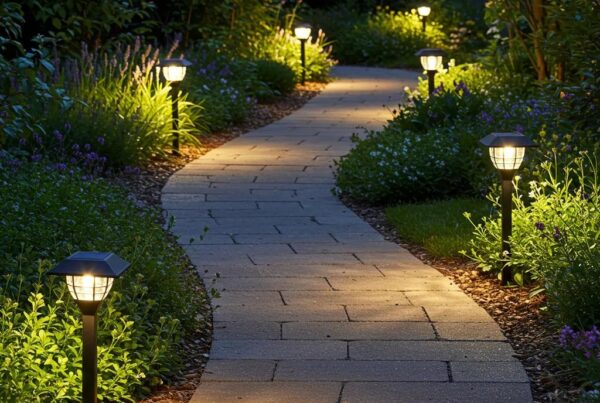
Outdoor lighting solutions amplify the drama of landscape features, extend usable hours of patios and pathways, and enhance security by illuminating potential hazards. Low-voltage LED fixtures consume minimal power while offering customizable beam angles and color temperatures for mood-setting effects. Strategically placed uplights accentuate trees and architectural details, pathway lights guide movement, and recessed step lights improve safety. Smart controls allow owners to create timed scenes that adjust automatically with sunset and sunrise, conserving energy and making landscapes come alive after dark.
When integrated thoughtfully with planting and hardscape elements, lighting transforms ordinary yards into captivating nocturnal environments that invite evening gatherings and showcase design craftsmanship.
What Are the Advantages of LED Landscape Lighting?
LED landscape lighting offers long operational lifespans, typically exceeding 30,000 hours, and uses 70–80 percent less energy than halogen alternatives. LEDs emit minimal heat, reducing fire risk near mulch and plants, and provide stable color rendering to preserve natural hues. Instant-on performance eliminates warm-up delays, while dimmable drivers allow precise control of light intensity. These features translate into lower maintenance frequencies, reduced utility expenses, and consistent nighttime aesthetics that highlight landscape textures and forms.
Adopting LED fixtures aligns with sustainability goals by cutting greenhouse gas emissions associated with electricity generation, making it the preferred choice for eco-minded property owners.
How Do Pathway, Accent, and Security Lighting Enhance Outdoor Spaces?
Pathway lighting installs low-profile fixtures along walkways and drive edges, guiding visitors safely after dusk and defining circulation routes. Accent lighting uses uplights, downlights, or well lights to highlight specimen trees, water features, and architectural accents—creating focal points and visual depth. Security lighting deploys motion-activated floodlights and glare-resistant fixtures at entry points and dark corners to deter intruders and improve surveillance coverage.
Combining these three lighting types builds layered illumination schemes that balance functionality, aesthetics, and safety. Each light type complements the others by enhancing visibility, emphasizing design elements, and reinforcing a sense of security without overpowering sensitive wildlife habitats.
What Are the Benefits of Smart Outdoor Lighting Controls?
Smart outdoor lighting controls enable centralized programming of on/off schedules, dimming levels, and scene changes via mobile apps or voice assistants. Automation responds to astronomical clocks—turning on at dusk and off at dawn—and can adjust intensity during special events or seasonal displays. Integration with weather data permits adaptive dimming during heavy rain or fog to reduce glare and conserve energy. These controls improve user convenience, extend fixture lifespans through reduced run times, and enable dynamic lighting experiences that can be customized for holidays, parties, or security patrols.
By adopting smart controls, property managers achieve precise energy management and deliver compelling nighttime presentations that stand out in any neighborhood.
How Can Residential Landscape Transformation Be Achieved with Brightwater System Design?
Residential landscape transformation through Brightwater system design follows a structured process: site assessment, concept development, component integration, installation, and maintenance planning. Initial site evaluation identifies soil conditions, microclimates, and existing drainage patterns. Concept sketches define planting palettes, hardscape zones, and lighting nodes. Detailed plans incorporate irrigation layouts and material specifications. Installation teams execute earthwork, irrigation trenching, planting, paving, and lighting wiring in coordinated phases. Post-installation, clients receive system training and maintenance schedules to ensure long-term performance. This end-to-end methodology delivers cohesive, custom designs that elevate curb appeal and create livable outdoor extensions of the home.
By following these steps, homeowners realize dramatic transformations that blend functional living spaces with sustainable environmental stewardship—yielding both immediate lifestyle improvements and enduring property enhancements.
What Are the Steps for Residential Landscape Renovation?
Renovation begins with a thorough site analysis to document existing conditions and client goals. Next, schematic designs illustrate spatial organization, material palettes, and system layouts. After design approval, permitting and procurement phases secure necessary materials and regulatory clearances. Installation proceeds with grading and drainage corrections, followed by irrigation and lighting infrastructure deployment. Plant installation and hardscape construction occur concurrently to maintain schedule efficiency. The final phase involves system testing, quality inspection, and homeowner orientation on controls and maintenance routines.
This sequenced approach ensures each element integrates seamlessly, preventing rework and delivering a polished landscape that meets performance and aesthetic objectives.
How Does Brightwater Design Improve Curb Appeal and Property Value?
Brightwater design boosts curb appeal by framing entryways with sculptural planting, accentuating architectural lines with uplighting, and creating inviting outdoor rooms that extend interior living spaces. Drought-tolerant lawns or artificial turf reduce unsightly dry patches, while unified hardscape materials and coordinated lighting provide visual coherence. These enhancements drive property value by improving first impressions and reducing long-term maintenance costs—a combination that appeals strongly to prospective buyers. Studies show professional landscape improvements can increase resale values by up to 15 percent, with sustainable systems offering additional incentives through municipal rebate programs and lower utility bills.
By integrating beauty, efficiency, and eco-responsibility, Brightwater designs position homes at the forefront of the high-value market segment.
How Are Hardscaping and Artificial Turf Integrated into Transformations?
Hardscaping elements—patios, walkways, retaining walls—are planned to reinforce circulation paths, frame planting areas, and define outdoor living zones. Materials such as permeable pavers, natural flagstone, and decorative concrete create durable surfaces that complement vegetation. Artificial turf is installed in high-traffic zones or shaded areas prone to poor grass performance, providing a uniform green surface year-round without irrigation demands. Proper sub-base preparation ensures drainage, while edging details unify turf with adjacent plant beds. Integrating these components with irrigation and lighting enhances usability and visual appeal, resulting in a multifunctional, maintenance-light environment that extends enjoyment and conserves resources.
What Are Common Challenges in Landscape Design and How Does Brightwater System Solve Them?
Landscape design often grapples with water waste, high maintenance, poor aesthetics, and ecological imbalances. Brightwater system design addresses water waste through moisture-sensing irrigation and rainwater harvesting that prevent unnecessary irrigation cycles. High upkeep is reduced by selecting low-maintenance plants and using durable, eco-friendly materials. Aesthetic shortcomings are resolved by layered planting schemes, balanced hardscape-plant ratios, and targeted illumination that highlights focal points. Environmental impact is mitigated by native species integration, soil regeneration practices, and permeable surfaces that support groundwater recharge. This problem-solution framework ensures each challenge is matched with a specialized Brightwater strategy that delivers resilient, beautiful landscapes.
By embedding these solutions into a cohesive system, property owners avoid piecemeal fixes and achieve reliable, long-term performance across ecological, aesthetic, and operational dimensions.
How Does Brightwater System Address Water Waste and High Maintenance?
Brightwater systems curb water waste by combining drip irrigation, smart scheduling, and rainwater reuse. Moisture sensors suspend watering during rain events, and drip emitters deliver water directly to root zones, eliminating evaporation losses. High-maintenance turf is replaced with drought-tolerant groundcovers or permeable surfaces that require minimal trimming. Organic mulches reduce weed growth and preserve soil moisture, further cutting labor needs. Together, these measures reduce irrigation cycles by half and slash seasonal upkeep, freeing homeowners from costly and time-consuming landscape chores.
This integrated approach transforms resource-intensive yards into self-regulating systems that maintain vitality with minimal human intervention.
What Solutions Improve Poor Aesthetics and Outdoor Functionality?
To remedy bland landscapes, Brightwater designs apply cohesive color palettes, textural contrasts, and tiered plant heights to create dynamic visual interest. Functional enhancements include defined entertaining areas, walkways, and seating nooks positioned for sun exposure and privacy. Strategic lighting layers highlight focal features and ensure safe navigation after dark. Low-profile retaining walls and raised beds introduce dimensionality while unifying disparate zones. By merging form and function, these solutions elevate both the look and usability of outdoor spaces, encouraging year-round enjoyment and social engagement.
Such holistic reconfiguration replaces outdated layouts with purpose-driven designs that resonate with contemporary lifestyle demands.
How Does Sustainable Design Reduce Environmental Impact?
Sustainable design reduces environmental impact by conserving water, improving soil health, and supporting biodiversity. Rain gardens and permeable pavements manage stormwater naturally, reducing runoff and erosion. Native plant communities require fewer chemical inputs and foster habitat connectivity. Solar-powered lighting and energy-efficient fixtures cut electricity consumption, while recycled materials and regional sourcing lower carbon footprints. These practices collectively diminish landscape-related emissions and foster resilient ecosystems that adapt to climate variability.
Adopting sustainable principles not only protects local environments but also aligns landscapes with broader ecological restoration goals, contributing to healthier communities and natural systems.
What Are Frequently Asked Questions About Brightwater System Design?
Brightwater system design for landscapes is a unified approach to creating sustainable, low-maintenance outdoor environments by integrating native planting, resource-efficient irrigation, and energy-smart lighting. Major water savings are achieved through xeriscaping, moisture sensors, and rainwater capture. Lighting options include LED pathway, accent uplighting, and programmable smart controls. Installation typically spans two to four weeks, with cost ranges from moderate to premium based on property size and system complexity. This comprehensive strategy ensures functional beauty, ecological stewardship, and long-term performance.
Clients often ask about installation timelines, system longevity, and warranty coverage—topics covered extensively during initial consultations and design planning.
How Can You Get Started with Brightwater System Design for Your Landscape?
Initiating a Brightwater system design project begins with a comprehensive consultation and site analysis. During this process, designers assess soil conditions, microclimates, and homeowner preferences to develop a tailored concept plan. Clients receive detailed proposals outlining plant palettes, irrigation layouts, lighting schematics, and material selections. Upon approval, scheduling and permitting are coordinated, and a project timeline is established to align installation phases. Post-installation, professional maintenance services ensure system performance through seasonal adjustments, sensor calibrations, and lighting updates.
To request a personalized quote or schedule an on-site evaluation, contact the Brightwater design division. Ongoing support packages keep landscapes vibrant and efficient, delivering enduring satisfaction and peace of mind. Continuous care plans include system diagnostics, seasonal tune-ups, and expansion options to adapt the landscape as needs evolve, ensuring your outdoor investment thrives for years to come.