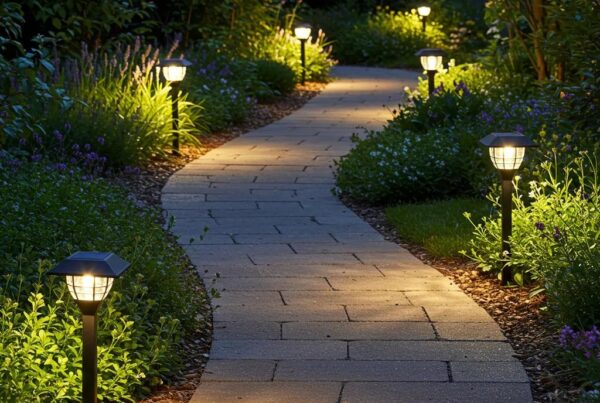
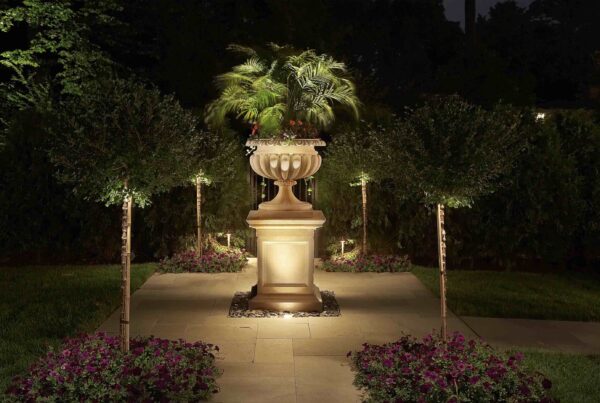
Outdoor lighting that combines high performance with low power consumption transforms home exteriors into inviting, safe, and sustainable spaces. By choosing energy-efficient outdoor lighting choices—ranging from advanced LED fixtures to solar-powered pathway lamps, smart automation, and eco-friendly designs—homeowners can reduce utility costs, minimize environmental impact, and elevate curb appeal. This guide examines the benefits and mechanisms of LED outdoor lighting, explains how solar landscape lights operate, details smart system features, explores low-voltage security options, outlines sustainable material choices, and reveals how efficient illumination enhances both security and aesthetics. Along the way, practical tables, lists, and actionable insights will equip you to make informed decisions and integrate professional property care perspectives, such as those emphasized by Freedom Cleaning Solutions, into your outdoor lighting strategy.
What Are the Benefits of Energy-Efficient Outdoor LED Lighting?
Energy-efficient outdoor LED lighting delivers bright, consistent illumination while consuming up to 75% less electricity than traditional options, making it an ideal solution for reducing bills and carbon emissions. By converting a higher proportion of electrical energy into visible light rather than heat, LED fixtures offer exceptional longevity—often exceeding 25,000 operating hours—and durable performance even in extreme weather. Homeowners benefit from lower replacement costs, instant activation without warm-up time, and minimal maintenance requirements, which align with professional property care standards. LED outdoor lighting also supports customizable color temperatures and dimming control, enhancing landscape aesthetics and safety around pathways, entrances, and security zones.
How Does LED Technology Save Energy and Reduce Costs?

LED technology saves energy by converting most electrical input into visible light rather than heat, which reduces power consumption and lowers utility expenses. Light-emitting diodes rely on semiconductor principles to emit photons efficiently, achieving luminous efficacy rates often exceeding 100 lumens per watt. This efficiency translates into significantly smaller electricity bills when replacing conventional halogen or incandescent fixtures.
- LEDs operate at lower voltages and generate less heat, minimizing thermal stress on fixtures and wiring installations.
- High lumen output per watt allows the use of fewer fixtures to achieve the same brightness, cutting installation and maintenance expenses.
- Long operational lifespan reduces replacement frequency and disposal costs, supporting sustainable home practices.
Through these mechanisms, LED outdoor lighting offers measurable cost savings and aligns with energy-management goals for modern residences.
Research indicates that wireless sensor networks are a state-of-the-art solution for enhancing energy efficiency in LED outdoor lighting systems.
Energy Efficiency in LED Outdoor Lighting with Wireless Sensor Networks
Energy efficiency considerations for LED-based lighting of multipurpose outdoor environments. Wireless sensor networks have become the state-of-the-art solution for this task, offering flexibility in the control design [11].
Energy efficiency considerations for LED-based lighting of multipurpose outdoor environments, A Florea, 2015
What Types of LED Outdoor Lights Are Best for Your Home?
LED outdoor lighting comes in various fixture styles designed to meet specific illumination needs, from accenting garden borders to floodlighting security areas. Selecting the right type ensures optimal coverage, efficiency, and visual appeal.
Pathway lights create defined routes and reduce trip hazards, while floodlights enhance security by illuminating expansive zones with motion-activated control. Spotlights draw attention to focal points such as statues, trees, or entryways. Matching fixture style to location and function maximizes energy savings and aesthetic impact.
How Do LED Color Temperature and Lumens Affect Outdoor Lighting?
Color temperature and lumen output determine both the visual warmth and overall brightness of LED outdoor fixtures, influencing atmosphere and functionality. Color temperature, measured in kelvins (K), ranges from warm white (2,700 K–3,000 K) for cozy garden lighting to cool daylight (4,000 K–5,000 K) for security applications. Lumens quantify total light output, guiding fixture selection based on desired illumination levels.
- Warm White (2,700 K–3,000 K) promotes a welcoming ambiance around patios and seating areas.
- Neutral White (3,500 K–4,000 K) balances clarity and comfort, ideal for driveways and entries.
- Cool White (4,000 K–5,000 K) delivers crisp visibility for security and task lighting.
Choosing fixtures with the appropriate lumen rating (generally 200–800 lumens for pathway lights and 1,000–3,000 lumens for floodlights) ensures safety without excessive glare or wasted energy. Matching color temperature and lumen output to each outdoor zone refines both efficiency and aesthetic harmony.
The impact of different correlated color temperatures (CCT) on insect attraction is a notable consideration when choosing LED outdoor lighting.
LED Outdoor Lighting and Insect Attraction: Impact of Correlated Color Temperature
Currently, many sources of outdoor lighting are being replaced with light-emitting diodes (LEDs). Although conventional light sources that emit light in the ultraviolet range are generally more attractive to nocturnal insects than LEDs, which typically do not emit ultraviolet light, it has not been established whether there are differences in attraction to white LEDs that differ in correlated color temperature (CCT).
Effects of replacing outdoor lighting with white LEDs with different correlated color temperatures on the attraction of nocturnal insects, S Hoshino, 2021
How Do Solar Powered Landscape Lights Work and What Are Their Advantages?
Solar powered landscape lights convert sunlight into electrical energy through photovoltaic cells and store charge in integrated batteries for nighttime operation. As panels absorb solar radiation during the day, onboard charge controllers regulate battery health and output voltage. After dusk, energy stored in the battery powers LEDs, providing illumination without drawing from the grid.
- Solar fixtures eliminate wiring costs and simplify DIY installation.
- On-board photocells enable automatic on/off operation based on ambient light levels.
- Maintenance is minimal—clean solar panels periodically and replace batteries every 2–3 years.
Because they harness renewable energy, solar landscape lights achieve zero operational emissions and can significantly reduce a home’s overall electricity consumption for outdoor illumination.
What Are the Best Solar Landscape Lights for Different Climates?
Selecting solar landscape lights tailored to regional weather conditions ensures reliable performance and optimal energy collection. Climate-specific considerations include panel efficiency at varying temperatures, battery durability in cold weather, and water resistance for humid environments.
- Temperate Regions benefit from mid-range panel efficiencies and sealed batteries rated for moderate freeze-thaw cycles.
- Arid and Desert Climates require high-efficiency monocrystalline panels that perform well under intense sunlight and withstand temperature fluctuations.
- Cold and Snowy Areas need deep-cycle batteries with low-temperature chemistry and IP65-rated housings to prevent moisture ingress.
Matching panel type, battery capacity, and housing material to local conditions extends service life and maintains consistent lighting levels throughout seasonal changes.
How Can You Maintain Solar Outdoor Lighting for Longevity?
Proper maintenance prolongs the lifespan and efficiency of solar landscape fixtures. Regular cleaning and checks prevent energy losses and component failures.
- Clean solar panels with a soft cloth and mild detergent to remove dust and bird droppings that block sunlight.
- Inspect battery terminals for corrosion and apply contact cleaner or replace batteries if voltage output falls below manufacturer specifications.
- Ensure fixture housing and seals remain intact to prevent moisture intrusion, especially after winter storms.
- Trim vegetation that shades panels and reduces charging efficiency.
Consistent upkeep supports reliable nightly performance and sustains energy savings over the product’s expected lifespan.
Are Solar Lights Truly Energy Efficient and Eco-Friendly?
Yes, solar lights provide genuine energy efficiency by operating independently of grid electricity and utilizing renewable solar energy for illumination. Their eco-friendly design reduces greenhouse gas emissions associated with traditional power generation and minimizes environmental impact through low-voltage operation and recyclable materials. Solar lighting systems promote sustainable home practices by eliminating ongoing electricity costs and lowering a property’s carbon footprint without compromising on aesthetic or safety requirements.
What Features Define Smart Outdoor Lighting Systems for Homes?
Smart outdoor lighting systems integrate connectivity, automation, and remote control to optimize energy use and user convenience. These systems connect LED fixtures to a network—via Wi-Fi, Bluetooth, or proprietary radio frequencies—allowing homeowners to adjust schedules, brightness, and color temperature from mobile apps or voice assistants. Built-in sensors and programmable scenes enable adaptive illumination based on occupancy, time of day, and weather conditions, reducing unnecessary power consumption while enhancing security and curb appeal through dynamic lighting effects.
The integration of MQTT, a lightweight IoT protocol, is a key aspect of developing smart and efficient outdoor lighting systems.
Smart and Efficient Outdoor Lighting System with MQTT Control
It uses MQTT, an IOT lightweight protocol. The proposed system is an energy efficient outdoor lighting system by controlling the intensity of street lights in a smart and efficient way to increase its efficiency.
Smart and efficient outdoor lighting system, NK Prakash, 2018
How Does Smart Lighting Integrate with Home Automation?
Smart outdoor lighting integrates with home automation platforms by communicating over standard networking protocols. When linked to hubs or routers, fixtures can receive commands from mobile applications, voice assistants, or centralized control panels. This connectivity allows users to:
- Group multiple fixtures into zones and synchronize their operation for cohesive lighting scenes.
- Schedule automated on/off cycles based on sunrise, sunset, or custom timeframes.
- Trigger lighting events when security systems detect motion or door sensors activate.
Seamless integration streamlines energy management and delivers tailored illumination experiences at the homeowner’s fingertips.
What Are the Key Smart Features: Motion Sensors, Scheduling, and Voice Control?
Smart outdoor lighting systems deliver advanced functionality that boosts efficiency, security, and user convenience:
- Motion sensors activate lights upon detecting movement, conserving energy by illuminating only when needed.
- Scheduling capabilities enable homeowners to predefine lighting patterns, aligning brightness levels with daily routines or seasonal changes.
- Voice control compatibility with popular assistants allows hands-free operation and real-time adjustments.
By combining these features, smart fixtures reduce waste, elevate property protection, and empower intuitive control over each outdoor lighting zone.
Which Are the Top Smart Outdoor Lighting Brands and Products?
Leading smart outdoor lighting brands excel by offering robust connectivity, reliable performance, and extensive ecosystem compatibility:
- Philips Hue provides a wide fixture selection with vibrant color options and cloud-based scheduling.
- Ring integrates motion-activated floodlights with security cameras and doorbell systems.
- Arlo features solar-powered smart lights that connect to wireless home security hubs.
These product lines demonstrate seamless integration, high energy efficiency, and user-friendly control, making them exemplary choices for connected home environments.
Why Choose Low Voltage Outdoor Security Lights for Energy Efficiency?
Low voltage outdoor security lights operate at 12–24 volts, reducing electrical draw and enabling thinner, more flexible cabling for simplified installation. By running on a dedicated transformer that steps down standard mains voltage, these fixtures generate sufficient illumination for pathways, driveways, and perimeter security while consuming a fraction of the energy used by traditional line-voltage options. The lower operating temperature of LEDs paired with low-voltage systems further enhances fixture longevity, minimizing maintenance and replacement costs over time.
What Are the Advantages of Low Voltage Landscape Lighting?
Low voltage landscape lighting systems offer multiple benefits that align with sustainable outdoor illumination goals. Operating at reduced voltage levels ensures enhanced safety during installation and maintenance, as wiring poses minimal shock risk. Lower energy requirements translate into smaller transformers and lower utility charges, while LED fixtures deliver crisp brightness and instant activation. The combination of low-voltage power and LED efficiency creates a system that minimizes energy waste, supports flexible fixture placement, and maintains consistent performance in diverse outdoor settings.
How Can You Install Low Voltage Outdoor Lighting Yourself?
Installing a low voltage lighting system is straightforward for homeowners with basic DIY skills:
- Design your layout, marking fixture positions and transformer location to optimize cable runs.
- Dig shallow trenches or use ground-stab kits to place wiring beneath the surface and conceal cables.
- Connect fixtures to the main cable harness using waterproof connectors rated for outdoor use.
- Mount the transformer near a weatherproof outlet, following manufacturer guidelines for ventilation and protection.
- Test the system, adjust fixture angles, and secure cables with clips or conduit as needed.
With careful planning and adherence to safety precautions, a low voltage system can be installed without professional assistance, delivering efficient illumination at a fraction of the cost.
What Safety Considerations Should You Know for Low Voltage Systems?
Safety is paramount when working with any electrical system, including low voltage outdoor setups. Always verify that power is turned off before handling transformer connections or wiring splices. Use cables and connectors rated for direct burial and exposure to moisture, and secure all connections with corrosion-resistant fittings. Ensure the transformer is mounted in a sheltered, ventilated area and keep it elevated above ground level to prevent flooding. By following these precautions, you can maintain a reliable, long-lasting low voltage lighting installation that poses minimal risk to users or property.
How Can You Select the Best Eco-Friendly Outdoor Lighting for Your Home?
Selecting eco-friendly outdoor lighting involves evaluating fixtures based on material sustainability, energy certifications, and environmental impact. Look for products that incorporate recycled metals or plastics, LED modules with minimal hazardous substances, and designs optimized for responsible light distribution. Certifications such as ENERGY STAR and DesignLights Consortium (DLC) indicate third-party verification of energy efficiency. Prioritizing fixtures built with durable, recyclable components and advanced optical lenses reduces waste and ensures long-term performance aligned with sustainability goals.
What Role Do Recycled Materials Play in Sustainable Outdoor Lighting?
Recycled materials in fixture construction—such as reclaimed aluminum, recycled glass lenses, and eco-resin composites—minimize the environmental footprint of manufacturing while maintaining structural integrity. Using recycled metals reduces the demand for raw ore extraction, lowering energy consumption associated with smelting and refining. Recycled glass lenses provide optical clarity and UV resistance, enhancing light distribution without costly virgin resources. These design choices reinforce a cradle-to-cradle lifecycle approach that conserves materials and supports circular economy principles in outdoor illumination solutions.
How Can Outdoor Lighting Minimize Light Pollution?
Strategic fixture design and placement can dramatically reduce light pollution, preserving night-sky visibility and minimizing disruption to wildlife. Select fully shielded fixtures that direct light downward, eliminating glare and horizontal spill. Opt for warmer color temperatures (2,700 K–3,000 K) that have lower sky-glow potential and are less likely to disturb nocturnal ecosystems. Implement motion-activated controls and dimming schedules to ensure lights operate only when needed. These measures concentrate illumination on targeted areas and respect dark-sky guidelines without compromising safety or aesthetics.
Which Energy Star Certified Outdoor Lighting Options Are Available?
Energy STAR certification identifies fixtures that meet strict efficiency and performance criteria. Certified outdoor lighting options include:
- LED floodlights with integrated motion sensors rated above 100 lumens per watt.
- Decorative pathway lamps with durable polycarbonate lenses and low-temperature LED modules.
- Security wall-mount fixtures offering adjustable beam angles and programmable dusk-to-dawn operation.
These certified products guarantee reliable energy savings, long operational life, and compliance with recognized environmental standards for sustainable outdoor illumination.
How Do Energy-Efficient Outdoor Lighting Choices Impact Your Home’s Security and Aesthetics?
Energy-efficient outdoor lighting choices enhance both home security and visual appeal by delivering targeted illumination where it matters most without excessive power usage. Well-positioned LEDs and low-voltage fixtures highlight entryways, perimeter zones, and landscaping features, deterring intruders while guiding occupants safely. Coordinated color temperatures and fixture styles create cohesive design motifs that accentuate architectural details and garden elements. By balancing light output and efficiency, homeowners achieve a polished exterior environment that elevates curb appeal, reinforces safety, and fosters sustainable living practices.
What Are Common Questions About Energy-Efficient Outdoor Lighting?
Homeowners frequently wonder which outdoor lighting type offers the highest energy savings and how to optimize fixture performance. LED outdoor lighting stands out as the most efficient choice due to its superior lumen-per-watt ratio and extended lifespan. Practical strategies for improving efficiency include integrating motion sensors, programmable schedules, and low-voltage transformers. Selecting the right wattage—typically 200–800 lumens for accent fixtures and 1,000–3,000 lumens for floodlighting—ensures adequate brightness without waste. Solar-powered lights maintain reliability across most weather conditions when equipped with efficient photovoltaic panels and weatherproof batteries. Finally, modern smart systems integrate seamlessly with voice assistants, enabling centralized control, real-time adjustments, and automated energy-saving routines for a complete, future-ready outdoor lighting solution.
Freedom Cleaning Solutions brings the same commitment to quality and attention to detail found in professional property care to the selection and maintenance of energy-efficient outdoor lighting. By combining expert guidance with tailored cleaning and upkeep services, homeowners can achieve a consistently safe, attractive, and sustainable exterior environment.