

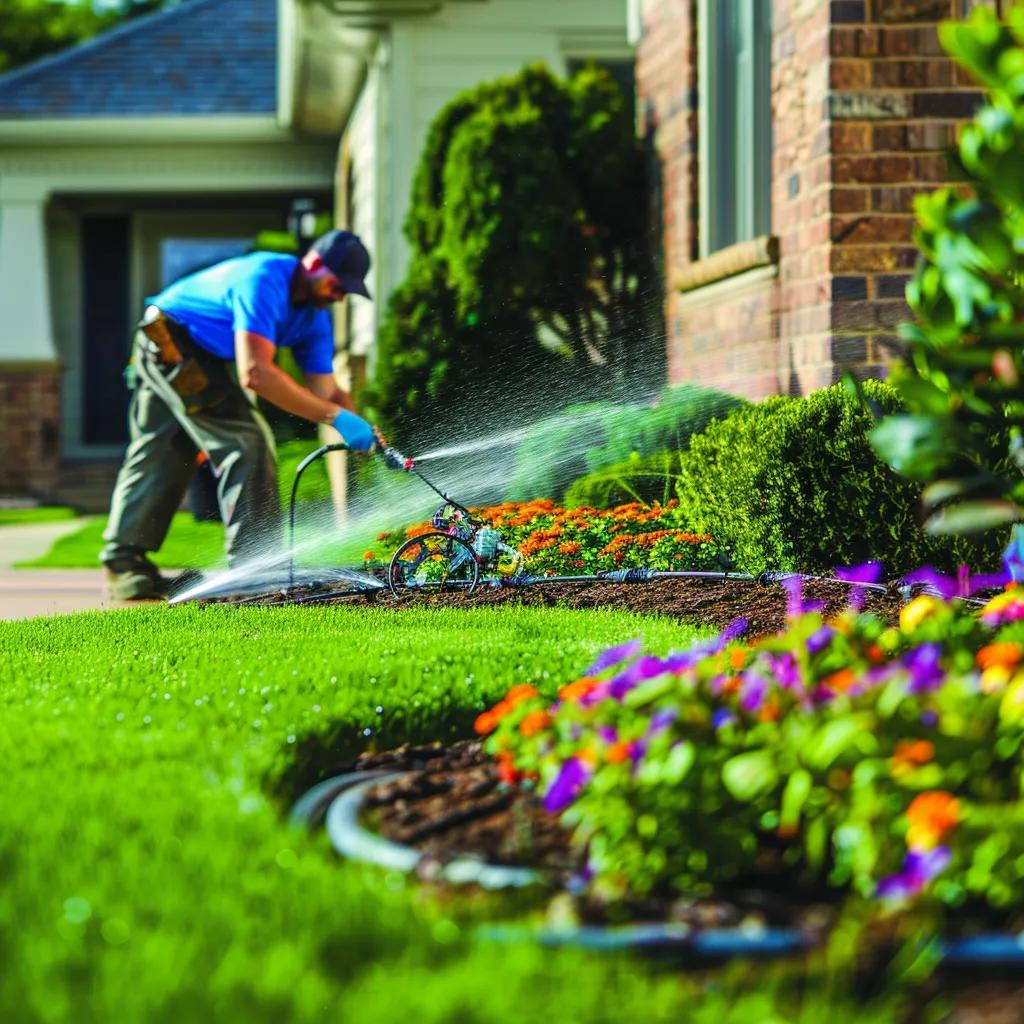
How to Choose the Right Sprinkler Service for Your Garden Needs: Expert Guide to Sprinkler Repair, Installation, and Maintenance
A thriving garden depends on a dependable irrigation system, and selecting the ideal sprinkler service is the first step toward lush lawns and flourishing flowerbeds. Starting with a clear understanding of professional sprinkler repair, precise installation planning, and proactive maintenance protocols ensures your garden receives consistent hydration without wasted water. In this guide, you will discover:
- What types of sprinkler services best suit varied garden layouts
- The essential qualities that mark a trustworthy sprinkler contractor
- How pricing for repair, installation, and maintenance is determined
- Key questions to vet service providers before you hire
- Ways to leverage customer reviews and referrals for informed decisions
- The role of water conservation and EPA WaterSense standards
- How individual system components affect service complexity and cost
Throughout this article, we will navigate repair, installation, maintenance, and smart irrigation strategies to help you choose the right partner for your garden’s needs.
What Types of Sprinkler Services Should You Consider for Your Garden?
Professional sprinkler service encompasses repair, installation, and maintenance designed to optimize water delivery, improve plant health, and extend system lifespan. By understanding the unique mechanisms behind each service—repair addressing mechanical failures, installation establishing efficient layouts, and maintenance preventing future problems—you ensure consistent performance and resource conservation.
What Does Professional Sprinkler Repair Include?
Professional sprinkler repair defines, diagnoses, and fixes malfunctions in irrigation systems by replacing damaged components, realigning heads, and restoring proper water pressure. Technicians use leak detection tools, pressure gauges, and component testing to pinpoint issues like cracked pipes or clogged nozzles. For example, replacing a broken valve restores zone control, preventing overwatering in adjacent areas. Effective repair prevents water waste and reduces landscape stress, paving the way for reliable seasonal maintenance.
How Is Sprinkler System Installation Planned and Executed?
Sprinkler system installation begins with a site assessment that measures terrain slope, soil type, and plant water requirements to determine optimal head placement and pipe sizing. Designers create a hydraulic plan that balances water pressure across zones, then trench lines are laid, pipes assembled, and heads positioned according to the irrigation blueprint. The system is pressure-tested before final calibration, ensuring uniform coverage and avoiding dry patches. This meticulous process establishes the foundation for efficient garden irrigation and seamless ongoing service.
What Are the Benefits of Regular Sprinkler Maintenance Plans?
Regular sprinkler maintenance plans provide scheduled inspections, seasonal adjustments, and component upkeep that prevent breakdowns, maximize water efficiency, and extend system lifespan. Typical maintenance includes checking backflow preventers for safety compliance, cleaning filters, realigning heads to avoid spray drift, and winterizing lines in colder climates. With routine care, gardens benefit from consistent moisture levels and reduced repair costs. Reliable maintenance also supports water-conservation goals by detecting leaks early and optimizing run times.
How Do Drip Irrigation Services Differ from Traditional Sprinkler Systems?
Drip irrigation services deliver water directly at plant roots through emitters and micro-tubing, reducing evaporation and runoff compared to overhead sprinklers. While traditional pop-up heads cover broad lawn areas, drip systems target beds, container plants, and orchard rows with precise application rates. Contractors calibrate emitter spacing and flow rates based on plant species and soil conditions. This targeted mechanism conserves up to 50% more water than conventional systems and promotes healthier root development, particularly in drought-prone landscapes.
What Key Qualities Define a Reliable Sprinkler Service Company?
A reliable sprinkler service company combines professional credentials, hands-on expertise, comprehensive protection, and prompt customer care to ensure top-tier irrigation performance. These qualities safeguard your garden, protect your investment, and foster long-term peace of mind.
Before presenting a quick-reference list, consider that these attributes directly influence service quality and your garden’s health.
- Proper Licensing and Certification
- Extensive Industry Experience
- Comprehensive Insurance and Warranty
- Rapid Responsiveness and Support
Each quality delivers specific benefits, from compliance with local regulations to assurance against accidental damage.
Why Is Licensing and Certification Important for Sprinkler Contractors?
Licensed and certified sprinkler technicians hold specialized credentials that affirm their training in irrigation design, installation standards, and backflow prevention regulations. These credentials ensure compliance with municipal codes, reduce liability risks, and guarantee knowledgeable system adjustments for optimal water efficiency. Relying on certified professionals also facilitates permit approvals where required.
How Does Experience Impact Sprinkler Service Quality?
Technician experience translates into refined troubleshooting skills, faster diagnosis of system failures, and creative solutions for complex landscapes. Experienced contractors can anticipate seasonal challenges—such as freeze-thaw cycles or high summer water demands—and implement proactive measures. Their track record often correlates with fewer callbacks and more durable repairs.
What Role Do Insurance and Warranties Play in Choosing a Sprinkler Service?
Insurance shields you from liability for on-site accidents or property damage, while service warranties cover replacement parts and labor for a defined period after repair or installation. Together, these protections build trust: you know that if a repair fails or a new system leaks, you won’t bear unexpected costs. Prioritize companies that carry comprehensive commercial general liability and offer written warranty agreements.
How Does Responsiveness and Customer Service Affect Your Sprinkler Repair Experience?
Prompt responses to service calls prevent minor leaks from becoming landscape-threatening issues and curb wasted water costs. Clear communication, on-site professionalism, and after-service follow-up reinforce customer satisfaction. A responsive team that provides transparent timelines, progress updates, and post-service guidance demonstrates commitment to your garden’s ongoing health.
How Much Does Sprinkler Service Cost? Understanding Pricing for Repair, Installation, and Maintenance
Sprinkler service costs vary by task complexity, component type, and regional labor rates. Accurate pricing combines standard hourly or flat fees with parts and materials charges, delivering clear estimates that match your garden’s needs and budget.
What Are the Average Costs for Sprinkler Repair Services?
Average repair costs range from $135 to $413, with an industry mean near $273. Technicians charge $50–$115 per labor hour, and replacement parts like valves ($30–$60) or heads ($5–$20) add to total charges. Simple fixes such as head realignment often cost under $150, while extensive pipe repairs can exceed $400.
Which Factors Influence Sprinkler System Installation Pricing?
Installation pricing depends on system size, zone count, trenching depth, and soil conditions. New in-ground systems cost $1,640–$3,566 on average, with a median of $2,527. Premium features—such as smart controllers or rain sensors—raise costs by $200–$500. Rocky or clay soils increase trenching effort, while zoned systems require additional valves and manifold complexity.
How Are Sprinkler Maintenance Plans Priced and What Do They Include?
Maintenance plans often use tiered packages priced at $100–$300 annually, covering 1–4 seasonal visits. Basic plans include spring start-ups and fall winterizations, while premium packages add mid-season tune-ups, head adjustments, and backflow testing. Annual plans save 10–20% compared to one-off service calls and secure priority scheduling.
How Can You Get Accurate Estimates and Compare Sprinkler Service Quotes?
Request detailed, written estimates that break down labor, parts, and travel fees. Ensure all proposals reference the same scope—such as head replacement count or zone calibration—to compare apples to apples. Seek at least three competitive quotes and verify that each includes warranty terms. Transparent pricing reflect a contractor’s commitment to fairness and long-term service value.
What Essential Questions Should You Ask Before Hiring a Sprinkler Service Provider?
Probing the right questions reveals contractor qualifications, service guarantees, and eco-friendly practices, ensuring you make informed hiring decisions aligned to your garden’s irrigation goals.
What Should You Ask About Licensing, Certification, and Experience?
Ask for their license number, proof of Certified Irrigation Technician credentials, and examples of similar projects completed in your region. Confirm technicians have hands-on experience with the system type you need—whether drip irrigation or smart in-ground controllers.
How Do Service Contracts and Warranty Policies Affect Your Decision?
Inquire about the duration and scope of warranties on parts and labor, and request a sample service contract outlining response times, cancellation terms, and service inclusions. A robust contract protects you from unexpected expenses and clarifies the provider’s commitments.
What Questions Should You Ask Regarding Water Conservation and Smart Irrigation?
Ask whether they integrate EPA WaterSense–approved controllers, rain sensors, or soil moisture sensors. Probe how they adjust run times based on seasonal rainfall patterns and whether they offer drip conversion for flower beds. A contractor versed in water-saving technologies will design your system for both performance and efficiency.
How Can You Verify References and Customer Reviews Effectively?
Request contact information for recent clients and follow up with questions about timeliness, workmanship quality, and post-service support. Complement these conversations by scanning online review platforms for patterns in feedback—both positive and critical—to validate reputation and reliability.
How Can Customer Reviews and References Help You Choose the Best Sprinkler Service?
Customer reviews and references provide real-world insights into a contractor’s responsiveness, workmanship, and trustworthiness. By cross-checking multiple sources, you gain a balanced view that guides confident selection.
How to Check Online Reviews for Sprinkler Companies?
Begin with Google Business Profiles and industry-specific directories. Look for recurring praise of traits like punctuality, clear estimates, and tidy work sites. Watch for prompt responses to critical reviews, which signal a company’s accountability and dedication to customer satisfaction.
What Are the Best Practices for Requesting and Verifying Contractor References?
Ask for references that match your project type—such as residential installation or complex repair. Contact each reference with structured questions about on-site professionalism, adherence to schedule, and the durability of repairs. Verifying references through direct conversation confirms the consistency of advertised service quality.
Why Is Water Conservation Important When Choosing a Sprinkler Service?
Water conservation reduces utility costs, supports sustainable landscaping practices, and aligns with community sustainability goals. By selecting a provider focused on efficiency, you ensure that your garden thrives while minimizing environmental impact.
What Are the Benefits of Smart Irrigation Systems for Water Efficiency?
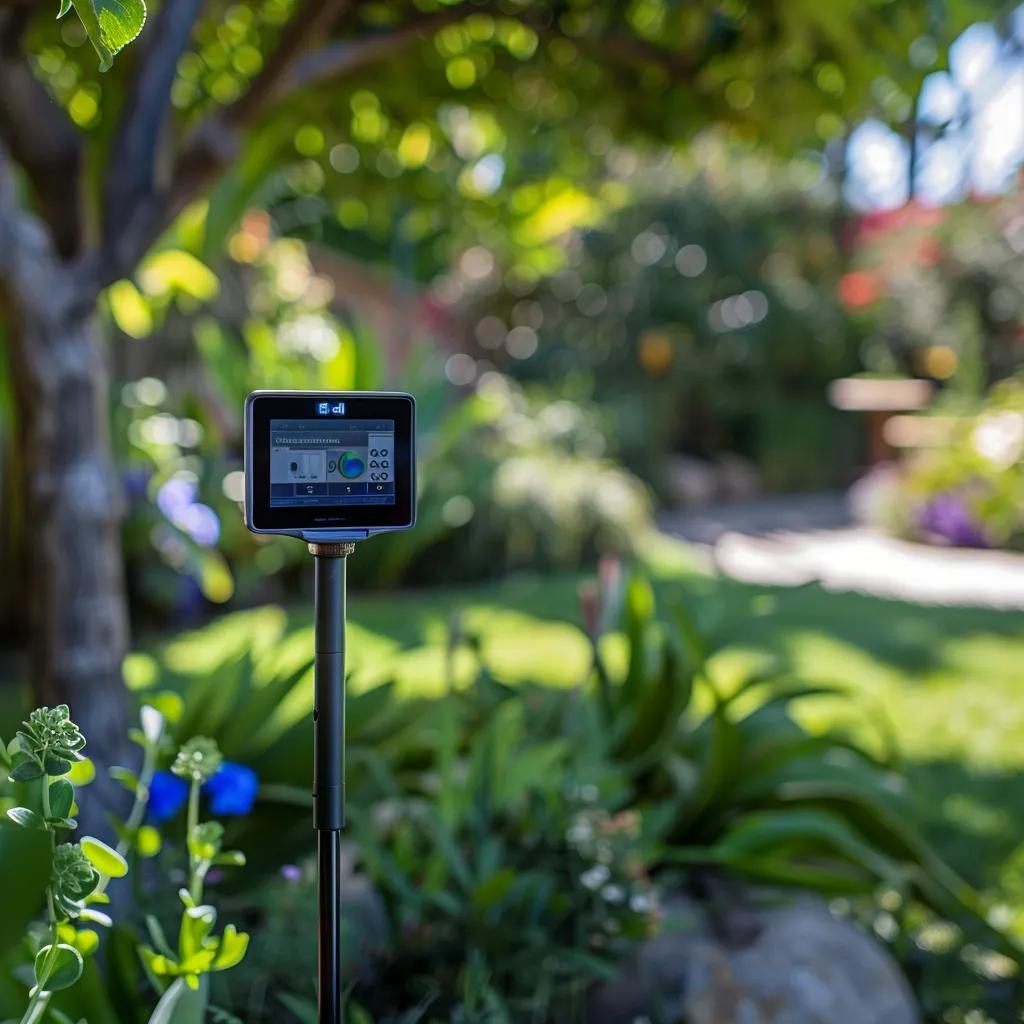
Smart irrigation systems adjust watering schedules based on real-time weather data, soil moisture levels, and evapotranspiration rates. These controllers can save up to 30% of water usage, prevent overwatering, and contribute to healthier root systems. Integrating rain sensors halts cycles during rainfall, further conserving resources.
Water Conservation with Smart Irrigation
Smart irrigation systems utilize real-time weather data and soil moisture sensors to adjust watering schedules, potentially saving up to 30% of water usage. These systems prevent overwatering and promote healthier root systems, contributing to overall water conservation efforts.
This research supports the article’s claims about the benefits of smart irrigation systems and their role in water efficiency.
How Do Licensed Professionals Implement Water-Saving Technologies?
Licensed professionals select EPA WaterSense–rated controllers, program zone-specific run times, and install pressure-regulating valves to optimize spray patterns. They calibrate nozzles to match plant water needs and recommend drip conversions for beds, ensuring each plant receives water efficiently without waste.
What Role Does EPA WaterSense Certification Play in Sprinkler Services?
EPA WaterSense certification identifies irrigation products and professionals that meet stringent efficiency criteria. Certified technicians follow best practices in system design and maintenance, promoting water savings of at least 15% compared with conventional methods. Choosing a WaterSense partner guarantees adherence to nationally recognized performance standards.
Benefits of EPA WaterSense Certification
EPA WaterSense certification identifies irrigation products and professionals that meet stringent efficiency criteria. Certified technicians follow best practices in system design and maintenance, promoting water savings of at least 15% compared with conventional methods.
This citation reinforces the article’s emphasis on the importance of choosing WaterSense partners for water-wise practices.
How Do Sprinkler System Components Affect Service Needs and Costs?
Individual components—such as backflow preventers, valves, heads, and controllers—each introduce unique maintenance and replacement requirements that influence service complexity and price.
What Is the Function of a Backflow Preventer and Why Is Testing Essential?
A backflow preventer protects potable water by stopping contaminated irrigation water from reversing into household supply lines. Annual testing by certified technicians ensures valves seal properly under pressure, safeguarding health and complying with local regulations. Neglecting these tests risks code violations and costly replacements.
How Do Sprinkler Heads and Valves Impact Repair and Maintenance?
Sprinkler heads distribute water uniformly, and valves control zone activation. Clogged nozzles lead to uneven coverage, while leaking valves can flood landscape areas. Routine inspection involves cleaning filters, adjusting spray patterns, and replacing worn diaphragms—tasks that keep water delivery precise and prevent plant damage.
When Should You Consider Upgrading to Smart Controllers or Advanced Components?
Upgrading becomes valuable when traditional timers cause overwatering, leak detection is manual, or remote access is desired. Smart controllers offer weather-based scheduling, and flow sensors flag leaks instantly. While upfront costs may be higher, these technologies promote long-term savings through optimized water use and reduced repair calls.
Investing time to evaluate service types, contractor qualifications, pricing structures, and conservation strategies ensures you select a sprinkler service that maximizes garden health and water efficiency. By asking targeted questions, analyzing cost breakdowns, and leveraging customer feedback, you equip yourself to partner with professionals who blend technical expertise with sustainability. Prioritize licensed, experienced technicians and insist on transparent estimates—your garden’s vitality and your peace of mind depend on a service built on reliability, innovation, and water-wise practices.
Ready to give your garden the care it deserves? At BrightWater Irrigation & Lighting, we provide expert sprinkler installation, repairs, and maintenance to keep your landscape vibrant year-round. Whether you’re upgrading your system or fixing a few problem spots, our team delivers reliable, water-efficient solutions tailored to your needs. Contact us today for a free consultation and let’s create the perfect watering plan for your garden.


