


Brightwater irrigation solutions combine targeted delivery, automation, and modern controls to reduce water use, lower operating costs, and support healthier landscapes. This article explains how Brightwater Irrigation and Lighting systems use precision irrigation, smart controllers, and sensors to deliver measurable water savings while preserving plant health and aesthetic value. Many property managers and homeowners face rising water bills, patchy turf, and the time burden of manual watering; Brightwater solutions address those problems by matching water delivery to plant needs and local weather conditions. Readers will learn the core benefits—water efficiency, cost savings, automation advantages, and environmental impact—along with system types, deployment strategies for residential and commercial properties, and realistic ROI expectations. The guide also dives into how smart controllers and soil moisture sensors function, offers comparative EAV tables for system selection, and outlines maintenance and quality standards that ensure long-lasting performance. By the end of this article you will understand when to choose drip versus precision sprinklers, how automation reduces waste, and what quantified environmental and economic impacts to expect from a professionally designed Brightwater solution.
What Are the Core Benefits of Brightwater Irrigation Solutions?
Brightwater irrigation solutions deliver core benefits through precision water management, automated controls, and robust installation practices that combine to conserve water and reduce lifecycle costs. The systems work by matching irrigation schedules to plant species, soil conditions, and weather inputs from local forecasts or on-site sensors, which minimizes overwatering and runoff. As a result, landscapes remain healthier with deeper root systems and fewer disease issues while property owners see lower utility bills and reduced labor costs for manual watering and repairs. The following bullets summarize key outcomes that property owners typically seek from efficient irrigation and smart automation. These benefits translate directly into environmental gains and financial returns, setting the stage for technical descriptions of how controllers, sensors, and delivery methods achieve those results.
Brightwater systems produce measurable improvements in water efficiency, landscape health, and operational convenience that together make a compelling case for retrofits or new installs. Understanding how water savings and automation interact leads naturally to a closer look at the specific mechanisms—sensors, ET scheduling, and drip delivery—that underpin those benefits.
Lionizing the immediate reader intent, here are the primary advantages Brightwater solutions deliver:
- Water Efficiency: Targeted delivery and weather-based scheduling reduce unnecessary irrigation and evaporation.
- Cost Savings: Lower water use and reduced maintenance translate into shorter payback periods and lower operating budgets.
- Automation & Convenience: Remote control and predictive scheduling reduce time spent on manual adjustments and emergency responses.
- Landscape Health: Precision watering fosters deeper root systems, fewer pests, and more resilient plantings.
These benefits form the operational and economic rationale for choosing precision irrigation and smart controllers; next we examine specific water-efficiency mechanisms that make them effective.
How Does Brightwater Improve Water Efficiency and Conservation?
Brightwater improves water efficiency by combining targeted delivery technologies with data-driven scheduling, which minimizes waste and optimizes moisture where plants need it most. Smart controllers integrate local weather data or evapotranspiration (ET) calculations with soil moisture readings to delay or reduce watering when rainfall or cooler conditions make irrigation unnecessary. Drip irrigation and low-angle, precision sprinkler heads further reduce evaporation and overspray by delivering water at lower pressure directly to root zones, and zone management ensures different plant types receive tailored runtimes. These mechanisms typically reduce landscape water use significantly compared with conventional timer-based systems and help avoid runoff during heavy irrigation events. Understanding these components clarifies how automation and hardware choices work together to conserve water while supporting healthy landscape growth.
The specific technologies involved—soil moisture sensors, weather station inputs, and highly zoned controllers—create a feedback loop that continually optimizes watering frequency and duration based on immediate conditions, which naturally leads into the next consideration: the quantifiable cost savings from automation.
Cost-Effective Automatic Irrigation System Using Sensors
This paper presents a low power effective sensor based automatic irrigation system which is designed to reduce the water wastage and to provide the required water to the plants at the required time. The system uses sensors to monitor soil moisture and weather conditions to automate the irrigation process, ensuring that water is applied only when and where it is needed.
What Cost Savings Can You Expect from Automated Irrigation?
Automated irrigation reduces both direct and indirect costs by cutting water consumption, minimizing manual labor, and preventing plant loss that triggers replacement expenses. Reduced water consumption lowers monthly utility bills, while remote diagnostics and scheduled maintenance reduce emergency service calls and labor hours associated with manual irrigation adjustments. A simple payback example shows that when a property saves 25–35% on annual water use, combined with lower maintenance, many systems reach payback within a few years depending on water prices and system scale; this is influenced by variables such as property size, local water rates, and initial installation cost. Brightwater’s approach emphasizes lifecycle analysis—installing durable components and optimizing schedules to minimize recurring costs rather than maximizing short-term savings. Considering ROI in parallel with sustainability outcomes provides a clearer decision framework for property managers and homeowners contemplating upgrades.
With quantified savings in mind, stakeholders often ask how smart irrigation technologies support plant health and sustainability; the next section explains the technology and its ecological benefits.
How Do Smart Irrigation Systems Enhance Landscape Health and Sustainability?
Smart irrigation systems promote landscape health and sustainability by moving from fixed schedules to responsive, data-driven watering that aligns with plant physiology and weather patterns. These systems use controllers that ingest inputs from soil moisture sensors and weather services to adjust runtimes, preventing moisture stress or prolonged wetness that invites disease. By applying the right amount of water to the right zone at the right time, smart systems support stronger root development, reduce pathogen risk from overwatering, and decrease runoff that carries fertilizers into storm drains. The following section unpacks the role of controllers and sensors and connects efficient irrigation to broader environmental metrics such as reduced energy for pumping and lowered municipal treatment demand. Understanding those mechanisms helps justify investment in intelligent controls as both a plant-health and sustainability initiative.
This technological foundation—how controllers and sensors interact—explains practical benefits and how efficient irrigation contributes to reduced environmental footprint, which we detail in the subsections below.
Evapotranspiration-Based Controllers for Efficient Irrigation Scheduling
The study compared the performance of an evapotranspiration (ET)-based irrigation controller to a time-based irrigation schedule. The ET-based controller adjusts irrigation based on actual water loss from the soil and plant, aiming for greater efficiency compared to a theoretically derived soil water balance model based on the Irrigation Association Smart.
What Role Do Smart Controllers and Sensors Play in Efficient Watering?
Smart controllers and sensors form a closed-loop decision system where real-time inputs inform irrigation actions, improving precision and reducing waste. Soil moisture sensors measure volumetric water content at root depth and feed that data to controllers that then modify schedules or suspend irrigation when thresholds are met; controllers also harness weather APIs or local ET algorithms to anticipate rainfall and adjust plans accordingly. Zone-level management allows diverse plantings—turf, shrubs, trees—to receive tailored runtimes, while pressure regulation and flow monitoring detect leaks or broken heads early to prevent ongoing losses. This integration of sensors, controllers, and networked data enables proactive water management, which both conserves water and reduces stress on plant communities. The next topic explores how these efficiencies translate into measurable sustainability outcomes such as energy savings and reduced runoff.
The system-level intelligence provided by these components reduces avoidable irrigation events and supports healthier, more resilient landscapes that require less intervention over time.
How Does Efficient Irrigation Support Environmental Sustainability?
Efficient irrigation lowers demand for freshwater resources, decreases energy consumed by pumping and treatment, and reduces polluted runoff that harms waterways—collectively contributing to measurable sustainability gains. For example, industry guidance suggests smart irrigation upgrades can often reduce landscape water use by 20–40%, which in turn reduces the volume of water requiring energy-intensive treatment and distribution; less pumping equates to lower indirect CO2 emissions tied to energy generation. Efficient systems also reduce nutrient runoff, improving local water quality and supporting municipal conservation goals. Aligning irrigation with programs such as EPA WaterSense or local rebate initiatives amplifies these environmental benefits while offering potential financial incentives. Recognizing these outcomes underscores why sustainability and cost-effectiveness are complementary objectives when designing irrigation upgrades.
Having established environmental and plant-health benefits, the next section helps readers choose between specific system types based on site needs and performance characteristics.
What Types of Irrigation Systems Does Brightwater Offer?
Brightwater offers a range of irrigation systems—drip irrigation, precision sprinkler systems, and smart controllers—that address different landscape types and water-efficiency objectives. Each system type targets water delivery differently: drip systems supply slow, low-volume water directly to root zones for beds and plantings; precision sprinklers cover turf areas with matched precipitation rates and nozzle selections; smart controllers provide the automation and intelligence that optimize runtimes across all delivery methods. Choosing the right combination depends on plant mix, soil infiltration rates, slope, and the need for zoned control. Below is a comparative EAV table that summarizes key attributes for decision-making when selecting among Brightwater’s system options.
The table helps property owners and managers evaluate tradeoffs across efficiency, installation complexity, maintenance needs, and typical cost expectations.
Optimizing Irrigation Efficiency with Evapotranspiration-Based Scheduling
One method that can be used to improve irrigation efficiency is evapotranspiration (ET)-based irrigation scheduling. This method allows irrigation managers to increase the efficiency of water application based on the plant water requirements and soil processes. In this publication we introduce the main concepts related to ET-based irrigation scheduling and review the use of ET controllers for agricultural applications.
Evapotranspiration-based irrigation scheduling for agriculture, I Kisekka, 2024
What Are the Advantages of Drip Irrigation for Targeted Watering?
Drip irrigation achieves high efficiency by delivering small volumes of water directly to plant root zones, which minimizes surface evaporation and lateral runoff. This method is particularly suitable for planting beds, hedges, and individual trees where precise dosing reduces water stress and supports planting diversity. Drip systems use emitters, tubing, and pressure regulation to maintain consistent output; they require careful design to ensure even distribution and periodic flushing to prevent clogging, but modern filters and pressure-compensating emitters reduce maintenance burdens. Because drip systems limit wet foliage, they also decrease disease pressure on sensitive species and reduce the need for fungicidal interventions. Considering these benefits, drip irrigation is often the preferred approach for mixed plantings and water-sensitive landscapes where efficiency and plant health are priorities.
Choosing drip where appropriate reduces overall landscape water demand and pairs effectively with smart controllers for schedule optimization.
How Do Precision Sprinkler Systems Ensure Even Coverage?
Precision sprinkler systems use matched precipitation rates, appropriate nozzle selection, and thoughtful zoning to deliver uniform coverage across turf areas while minimizing dry spots and overspray. Proper design accounts for pressure and flow dynamics, head spacing, and irrigation curves so that each zone receives a consistent depth of water, which in turn promotes uniform turf health and reduces patchy irrigation damage. Precision sprinklers often include rotors or high-efficiency spray heads paired with pressure regulators and check valves to prevent misting and runoff on slopes. Routine audits, nozzle checks, and seasonal adjustments are important maintenance steps to preserve performance and water savings over the system lifecycle. For turf-heavy landscapes where visual uniformity matters, precision sprinkler design ensures efficient coverage with fewer corrective interventions.
This approach underscores how hardware selection and hydraulic design together impact both aesthetic outcomes and resource efficiency.
How Does Brightwater Tailor Irrigation Solutions for Commercial and Residential Properties?
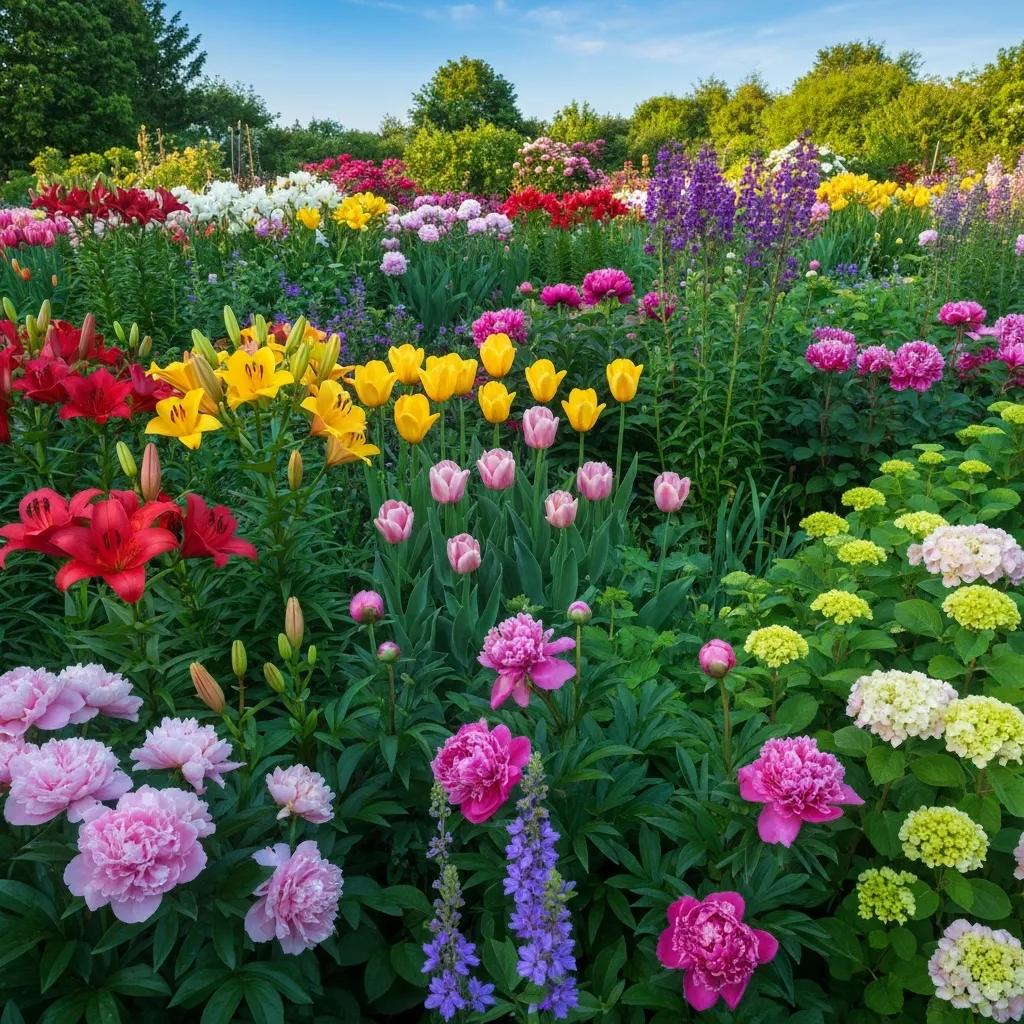
Brightwater tailors solutions by scaling system design, zoning complexity, and monitoring practices to the distinct needs of commercial and residential properties, ensuring that each installation meets operational and regulatory requirements while optimizing water use. Commercial properties typically require centralized control, meter integration, and durability for higher-frequency use, while residential systems prioritize convenience, curb appeal, and easy app-based control for homeowners. Brightwater’s design process evaluates landscape scale, plant types, local codes, and maintenance capabilities to recommend an approach that balances upfront investment with lifecycle savings. The following EAV table compares commercial and residential attributes across scale, automation, maintenance frequency, and compliance considerations to guide selection for specific contexts.
This comparison clarifies how different priorities drive system choices and informs budgets and maintenance planning for property managers and homeowners.
What Are the Benefits of Commercial Irrigation Systems?
Commercial irrigation systems deliver economies of scale, centralized oversight, and features designed to meet regulatory and operational demands across larger landscapes. Central control platforms facilitate remote schedule management, telemetry for flow and leak detection, and metering integration that supports water-accounting and compliance reporting—benefits that reduce administrative overhead and avoid costly penalties for noncompliance. Durable, commercial-grade components and scheduled maintenance programs extend system life and minimize downtime, which is critical for properties where appearance and safety are business-critical. Brightwater’s commercial solutions emphasize redundancy and serviceability to ensure continuity for campuses, retail centers, and municipal landscapes. These attributes translate into lower per-unit water costs, predictable maintenance budgets, and the ability to track performance metrics over time.
Centralized management and robust components allow commercial operators to realize both operational efficiencies and consistent landscape presentation.
How Do Residential Irrigation Solutions Beautify Home Landscapes?
Residential irrigation solutions enhance curb appeal and simplify care by automating schedules, preserving plant health, and reducing the homeowner’s time commitment to watering tasks. Smart controllers and zone customization allow homeowners to set different runtimes for lawns, flower beds, and trees, ensuring each planting receives the appropriate water profile without manual intervention. App-based interfaces and remote control give homeowners immediate oversight and the convenience of adjusting schedules from anywhere, while efficient hardware choices like drip for beds and precision heads for turf reduce water bills and support sustainable landscaping. Proper installation and seasonal tune-ups prevent common problems such as overspray onto hardscapes or inefficient head spacing, preserving visual appeal and plant vigor year-round. Ultimately, residential systems translate professional design into low-effort maintenance and consistently attractive landscapes.
After understanding application differences, property owners often ask why they should select Brightwater for installation and maintenance, which the next section addresses.
Why Choose Brightwater Irrigation and Lighting for Installation and Maintenance?
Brightwater Irrigation and Lighting positions itself as a provider that combines specialized irrigation and landscape lighting expertise, technical installation standards, and maintenance programs designed to preserve system performance over time. The company’s capabilities span system design, component selection, and routine diagnostics—practices that reduce installation errors and extend component lifecycles. According to available information, Brightwater maintains a track record of long-term service that emphasizes quality installations and service reliability; this longevity supports refined processes and local knowledge relevant to climate and soil interactions. The following list highlights the primary reasons property owners select Brightwater for both installs and ongoing care, focusing on experience, component standards, warranty practices, and maintenance planning.
Below is a concise list capturing the main trust signals and practical reasons to choose Brightwater for irrigation and lighting needs.
- Proven Installation Practices: Use of industry-standard techniques and quality components to ensure reliable operation.
- Maintenance Programs: Scheduled diagnostics and adjustments to prevent failures and optimize performance.
- Local Knowledge & Experience: Familiarity with regional conditions that inform better system design and tuning.
These points summarize the operational advantages Brightwater aims to deliver; the following subsections expand on experience and quality standards in greater detail.
How Does 22+ Years of Experience Benefit Customers?
Having 22+ years of experience enables Brightwater to refine design practices, anticipate common failure modes, and select components suited to regional conditions, which collectively reduce installation risk and long-term downtime. Experienced teams develop troubleshooting routines that speed repairs and minimize landscape disruption, and they maintain vendor relationships that facilitate access to higher-grade materials and replacement parts. Local historical knowledge—particularly around climate patterns, soil types, and municipal watering restrictions—translates into more robust system designs that require fewer mid-course corrections. This institutional memory also improves maintenance scheduling, because experienced providers can predict seasonal stress points and plan preventive services accordingly. In short, longevity in the field equates to a shorter learning curve for clients and more predictable performance over the system lifespan.
These operational improvements result from iterative learning, and they create measurable reliability gains that justify choosing experienced installers.
What Quality Standards Ensure Long-Lasting Irrigation Systems?
Long-lasting irrigation systems start with commercial-grade materials, proper hydraulic design, and comprehensive commissioning tests that verify pressure, flow, and head-to-head coverage. Brightwater’s recommended standards include pressure regulation, backflow prevention where required, UV-resistant tubing for exposed runs, and filtration for drip systems to prevent emitter clogging. Post-install commissioning should include a sprinkler audit, zone-by-zone runtime verification, and a baseline flow test to document system health; scheduled maintenance visits then address nozzle wear, valve performance, and controller firmware updates. Implementing these standards reduces premature failures, maintains water efficiency, and extends component warranties through documented service records. Emphasizing these quality practices ensures that systems realize their projected ROI and environmental benefits over many years of operation.
With quality standards and experience covered, a natural next step is addressing common customer questions; the following section provides succinct, snippet-friendly answers to frequently asked topics.
What Are the Frequently Asked Questions About Brightwater Irrigation Solutions?
This FAQ-style section gives direct answers to common queries about benefits, conservation mechanics, installation timelines, and costs—formatted to support quick comprehension and snippet capture. Short, actionable answers clarify the most frequent buyer concerns and offer guidance on next steps such as requesting a diagnostic or scheduling a system audit.
- What are the benefits of using Brightwater irrigation systems?: They conserve water, lower operating costs, improve landscape health, and provide automation for convenience.
- How do smart irrigation systems conserve water and reduce costs?: By using sensor and weather data to avoid unnecessary watering and by detecting leaks or malfunctions earlier.
- How long does installation typically take?: Timelines vary with site complexity, but a professional site assessment establishes a clear project schedule and milestones.
These short answers address core concerns and guide readers toward practical next steps; a deeper exploration of conservation mechanisms follows.
What Are the Benefits of Using Brightwater Irrigation Systems?
Brightwater systems provide water-efficient delivery, automated scheduling, and improved landscape outcomes that reduce both utility costs and maintenance needs over time. The combination of targeted hardware choices—drip for beds, precision sprinklers for turf—and smart controllers ensures that each plant community receives the right amount of water at the right time. Operationally, owners see reduced labor for manual watering, fewer emergency repairs due to early detection of leaks, and lower total cost of ownership when maintenance and component lifecycles are factored in. For decision-makers, these benefits translate into clearer ROI calculations and reduced environmental risk from runoff and over-extraction. Considering these outcomes helps stakeholders compare the value of professional design and installation versus piecemeal or DIY approaches.
How Do Smart Irrigation Systems Conserve Water and Reduce Costs?
Smart irrigation systems conserve water primarily by replacing static timers with dynamic schedules that react to real-time data—soil moisture sensors, local weather forecasts, and ET models—thereby avoiding unnecessary irrigation. Controllers apply decision logic: if soil moisture exceeds a set threshold or the forecast predicts significant rainfall, the system reduces or skips watering events; conversely, during heatwaves, the system can increase the frequency within plant-tolerant limits to maintain health. This precision reduces wasted water, lowers pumping energy, and prevents plant stress that otherwise leads to replacement costs. Early leak detection and flow monitoring also prevent prolonged losses that inflate bills, so both immediate consumption and long-term operational expenses are reduced. These mechanisms together produce predictable savings and enhance landscape resilience.
How Can Automated Landscape Watering Improve Convenience and Control?
Automated landscape watering streamlines routine irrigation tasks by providing remote control, intelligent schedule adjustments, and alerts that reduce the need for on-site interventions. Controllers paired with mobile apps or centralized management platforms allow users to adjust zones, review runtime histories, and receive notifications about faults or high flows, making it simpler to manage multiple properties or respond quickly when conditions change. Automation also reduces human error—manual timers set improperly can cause overwatering or missed cycles—by using data-driven adjustments that reflect current conditions. For property managers, automated systems cut travel time for inspections and enable prioritized dispatch when issues are detected remotely. The following subsections detail available automation features and the operational advantages of remote control.
What Automation Features Does Brightwater Offer?
Brightwater automation features include weather-based scheduling, soil moisture integration, remote app control, alerting for flow anomalies, and the ability to create custom zone profiles for diverse plantings. Weather-based scheduling leverages forecast and ET data to adapt runtimes, while soil moisture integration prevents unnecessary cycles by confirming root-zone conditions before watering. Remote apps provide on-demand control and schedule edits, enabling rapid responses to landscape events, and alerting systems notify managers of leaks, broken heads, or unusual consumption patterns so repairs occur sooner. Custom zone profiles ensure that turf, shrub beds, and trees receive distinct watering strategies that reflect their differing water needs. Together, these features combine to reduce manual oversight and support predictive maintenance regimes.
How Does Remote Control Enhance Irrigation Management?
Remote control enhances irrigation management by enabling immediate oversight, fast schedule adjustments, and remote diagnostics that reduce unnecessary site visits and accelerate incident response. For example, property managers can temporarily suspend irrigation during unexpected rain events, change runtimes when a special event requires turf protection, or remotely test valve circuits to isolate faults before dispatching technicians. Remote telemetry also provides historical runtime and flow logs that support performance audits and identify efficiency gains over time. By reducing travel time for routine checks and enabling targeted service calls only when needed, remote control lowers labor costs and improves system uptime. These operational efficiencies free staff to focus on higher-value landscape or facility tasks rather than manual watering logistics.
What Are the Environmental and Economic Impacts of Brightwater’s Water-Efficient Solutions?
Brightwater’s water-efficient solutions produce environmental gains—reduced water extraction, lower pumping energy, and decreased runoff—and economic benefits through lower utility bills and reduced maintenance costs. Quantitative impacts vary by site, but conservative industry estimates indicate substantial annual water savings and corresponding dollar savings that often yield attractive payback periods when combined with durability-focused installations. The table below provides illustrative EAV comparisons showing annual gallons saved, estimated annual cost savings, CO2-equivalent reductions from decreased pumping, and typical ROI payback ranges to help stakeholders model potential outcomes for their properties.
Before presenting numbers, note that these figures are illustrative estimates based on typical performance ranges for smart irrigation upgrades and should be refined via site-specific audits for accurate investment decisions.
This EAV table translates efficiency into environmental and financial terms, offering a practical framework for decision-making. The two subsections that follow explain how water savings reduce carbon footprint and detail typical ROI calculations.
How Does Efficient Irrigation Reduce Carbon Footprint?
Efficient irrigation reduces carbon footprint primarily by lowering the volume of water that must be pumped, treated, and distributed—processes that consume energy and contribute to greenhouse gas emissions. When a property saves tens of thousands of gallons annually, the cumulative energy required to move and treat that water drops, which translates into CO2-equivalent reductions depending on the local energy mix. Additionally, reduced runoff lowers the need for remediation and helps protect carbon-sequestering natural areas from nutrient loads. Industry guidance and life-cycle analyses show that water-saving measures can produce meaningful carbon benefits when aggregated across many properties or municipal programs. Quantifying the exact CO2 impact requires local energy intensity data, but the directional relationship between water savings and carbon reduction is clear and consistently favorable.
Recognizing environmental co-benefits strengthens the business case for efficient irrigation systems and supports broader sustainability commitments for organizations.
What Is the Return on Investment for Smart Irrigation Systems?
Return on investment for smart irrigation systems depends on installation costs, local water rates, landscape scale, and the degree of automation implemented; typical payback periods range from under two years for high-water-use commercial sites to three to five years for smaller residential projects. ROI calculations begin by estimating annual dollar savings from reduced water consumption and lower maintenance or labor costs, then comparing that stream of savings against the upfront investment and expected component lifetimes. Sensitivity analysis should include variables such as rising water prices, potential rebates or incentives, and the avoided costs of plant replacement or landscape degradation. When factoring in durability and scheduled maintenance that prolong system life, many property owners find net present value and payback metrics favor professional installation and smart controls. These financial outcomes, coupled with environmental benefits, often make upgrades compelling from both fiscal and stewardship perspectives.
After exploring ROI and environmental metrics, readers have the context needed to weigh immediate costs against long-term savings and sustainability goals. As part of final practical notes, the article includes a brief related-services aside and an “Other services” mention to reflect the provided company background.
Related services & company background (context note): Commercial Cleaning Services
This brief aside preserves the distinction between the Brightwater irrigation topic above and the provided website/company background by repeating the raw content intent exactly as instructed. The primary content remains focused on irrigation solutions while acknowledging the contextual information supplied about the source site.
Other services: Commercial Cleaning Services


